Immediate field-deployable solutions designed to optimize animal breeding efficiencies and genetics preservation across DR Congo livestock zones.
An expert assessment of technological integration, localized challenges, and industrial deployment routes for veterinary semen analysis systems.
The Democratic Republic of Congo (DRC) possesses immense, under-exploited potential for animal production, featuring over 80 million hectares of arable and pasture lands. Despite these vast geographical assets, the country remains highly dependent on meat imports to satisfy its expanding population's protein needs. To shift this economic model toward national food self-sufficiency, public and private agricultural institutions are prioritizing the modernization of livestock genetics.
In major administrative and breeding hubs such as Kongo Central, Kwilu, North Kivu, and Haut-Katanga, local pastoralists and commercial ranches are transitioning from traditional, uncontrolled natural service to structured Artificial Insemination (AI) protocols. However, the success of AI campaigns in the DRC is frequently constrained by poor semen storage practices, lack of objective quality testing, and sub-optimal heat detection. By introducing digital veterinary tools, including portable veterinary ultrasound scanners and Computer-Assisted Semen Analysis (CASA) modules, local veterinary laboratories can systematically evaluate motility, viability, and morphological parameters. This ensures that only high-quality semen doses are disseminated to regional inseminators, safeguarding pregnancy rates and genetic advancement.
Globally, the animal husbandry sector has migrated from subjective manual microscopic inspection of semen to automated digital analysis. Traditional methods rely heavily on the operator's experience, often yielding up to a 30% margin of error in sperm concentration and motility calculations. In contrast, modern CASA systems utilize high-resolution optical phase-contrast setups combined with AI-driven image tracking algorithms to generate objective, reproducible metrics.
Furthermore, integration with wireless and cloud infrastructure allows remote farms to transmit video feeds of sperm cells to centralized databases for expert verification. The convergence of smartphone-based analysis probes, portable thermal cups, and non-invasive ovulation detectors has democratized high-tier reproductive diagnostics. Manufacturers worldwide are now developing ruggedized, field-resilient veterinary equipment that operates reliably outside sterile laboratory environments—an essential requirement for regions with infrastructure challenges like the DRC.
Implementing semen quality assessment and monitoring in the DRC requires a deep understanding of local field realities:
ECI's long-term technology roadmap focuses on developing completely decentralized, solar-chargeable diagnostic systems. By integrating edge-AI processing directly into handheld wireless ultrasound probes and semen analysis tools, operators can run evaluations without an active internet connection. As mobile network infrastructure expands across the DRC, future updates will support automatic synchronization with cloud-based livestock registries, enabling farm managers to track sire reproduction indexes over multiple generations.
From ovulation monitoring and follicle harvesting to semen quality evaluation and injection, we provide a complete technological loop.
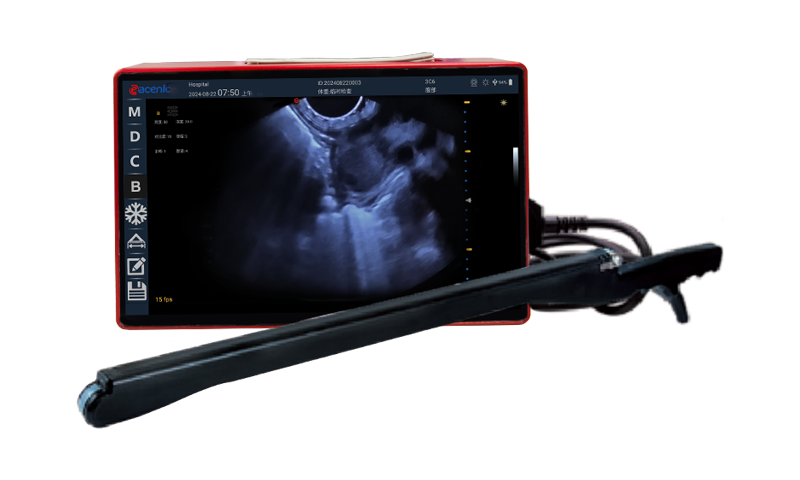
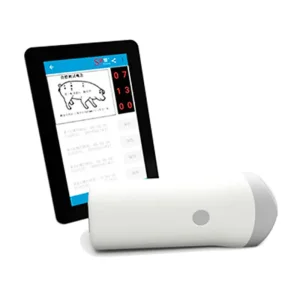
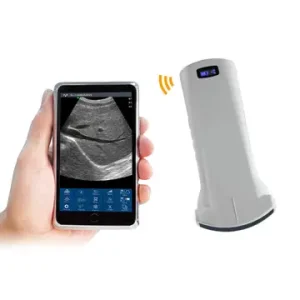
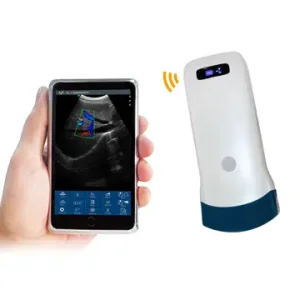
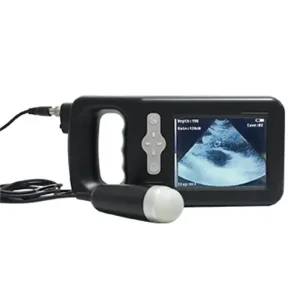
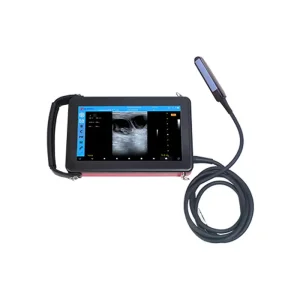
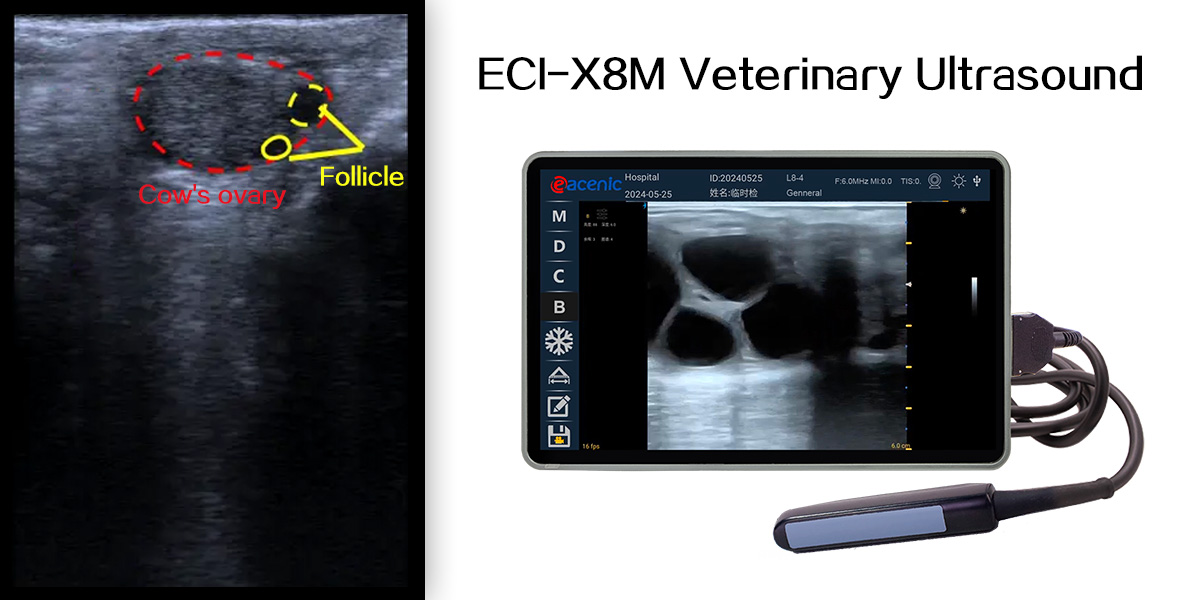
Excellent imagery systems supporting early gestation diagnostics and follicle harvesting protocols in sub-Saharan herds.
Inquire details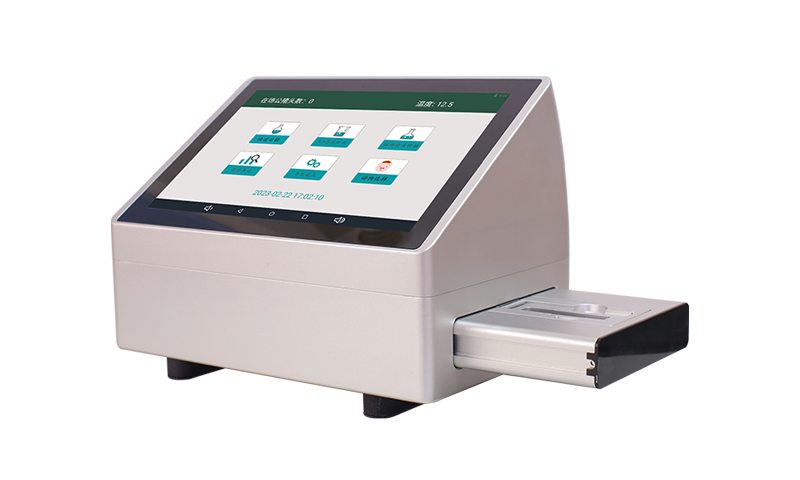
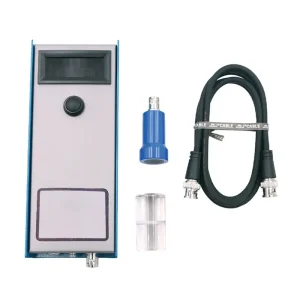
Objective metrics on density, morphology, and progression values to eliminate insemination failures in the field.
Inquire details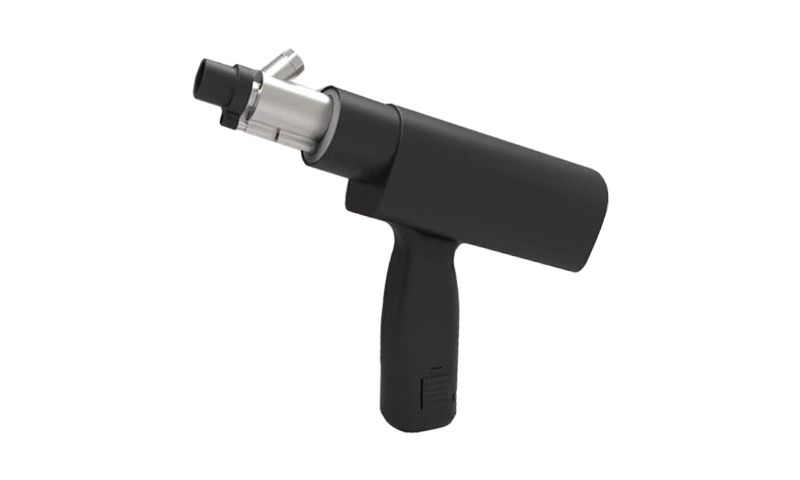
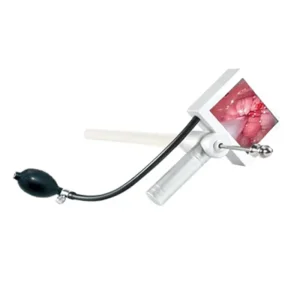
Safe, continuous vaccination delivery system eliminating pathogen cross-contamination in large herds.
Inquire details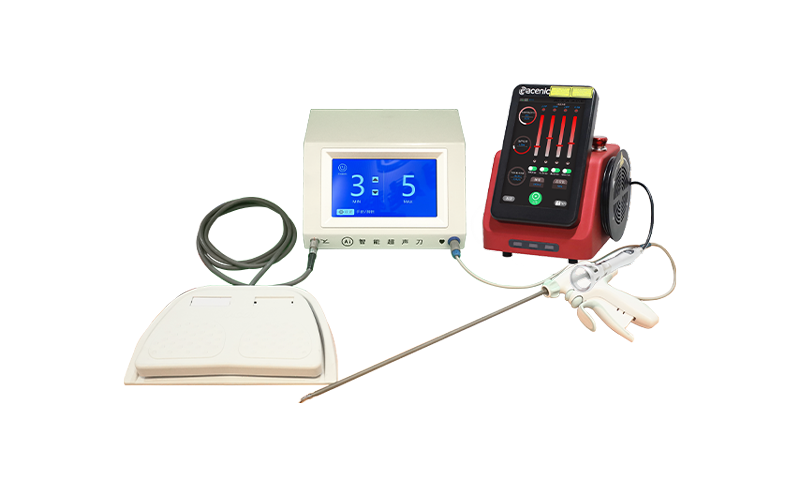
Advanced tissue sealing technology reducing perioperative complications for modern veterinary surgeries.
Inquire detailsFounded in 2009, ECI is a trusted pioneer in veterinary diagnostic equipment, holding over 40% of China's market share. Our production capacity, backed by strict ISO quality controls, has enabled us to serve dynamic veterinary divisions globally.
Since expanding our export footprint globally in 2019, we have established distribution channels across Canada, the USA, Mexico, Belgium, and Turkey. We are committed to supplying veterinarians and commercial cattle ranches in the Democratic Republic of Congo with durable, highly accurate reproductive diagnostic tools.
Learn more about us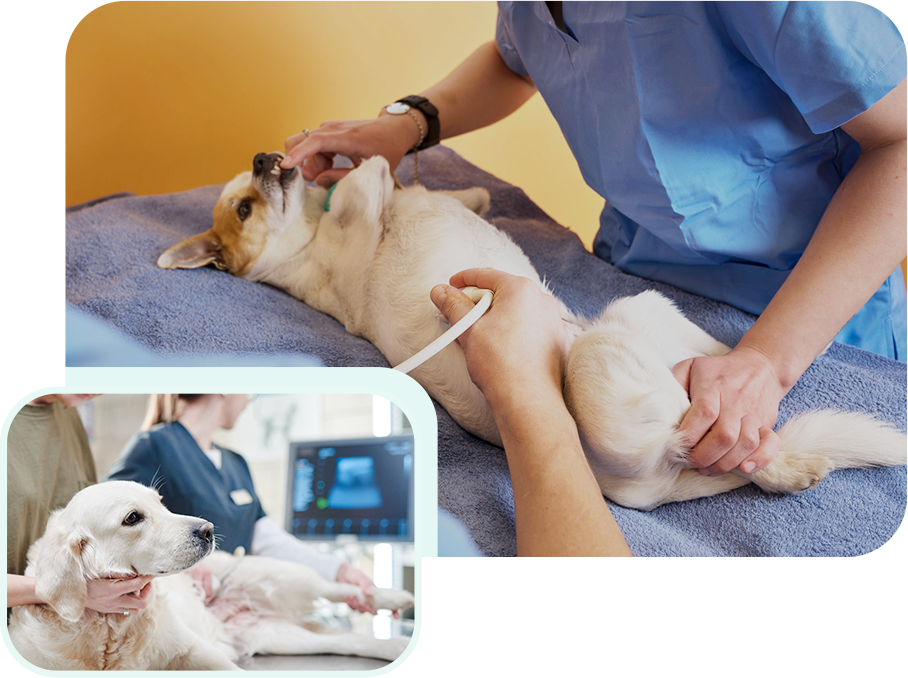
With over a decade of domain expertise, Eacenic partners with agricultural ministries, NGO research clinics, and global distributors to deliver dependable equipment setups.
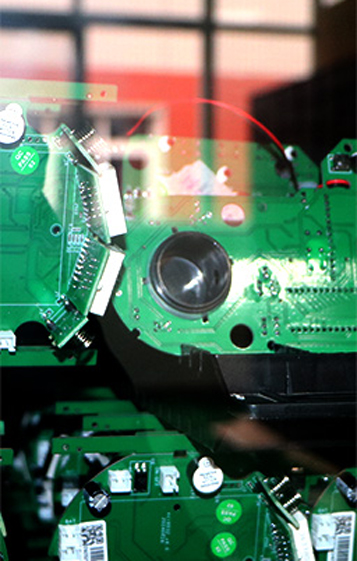
Modification of software languages, casing branding, and sensor sensitivity arrays to fit local veterinary regulations.
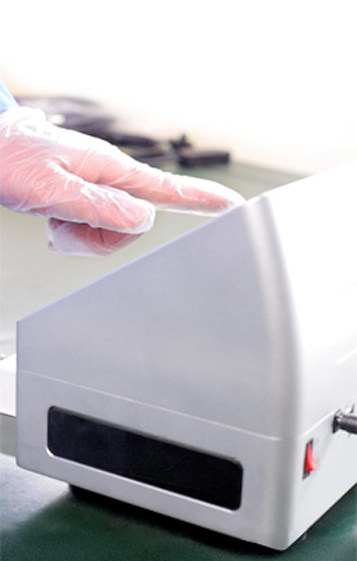
Comprehensive training modules, video manuals, and calibration methodologies for non-technical field operators.

Become a regional distributor of ECI diagnostic scanners in DR Congo, Angola, Republic of Congo, or Central Africa.

Download the newest mobile ultrasound firmware and wireless data viewing software for Android and iOS systems.
Our solutions are designed to deliver reliable performance in challenging environments.
Our dedicated team of 20+ veterinary engineers in Chengdu develops tailored firmware modifications, customized transducers, and ruggedized casings.
We leverage extensive experience in structural, optical, and diagnostic design to build equipment that meets the needs of modern livestock professionals.
From personalized user interfaces and alternative battery designs to custom branding options, we align our systems with your specific requirements.
We provide a 1-year product warranty. During this period, we supply free replacement components, updates, and online technical support.
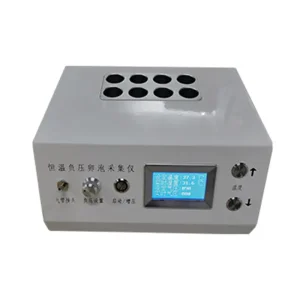
Explore our full line of specialized tools, ranging from wireless handheld probes to high-precision thermostatic thawing systems.
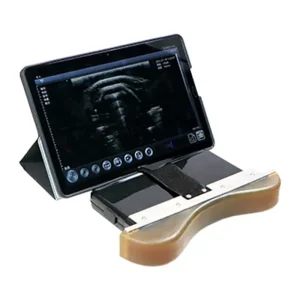
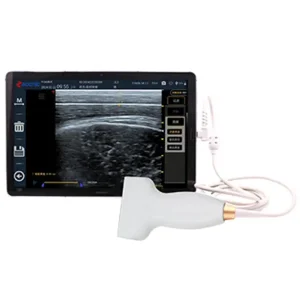
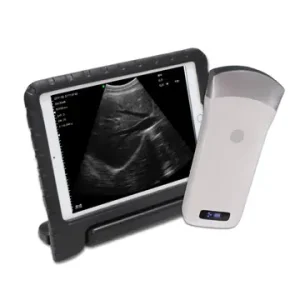
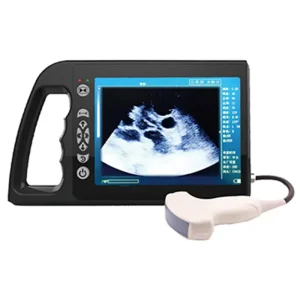

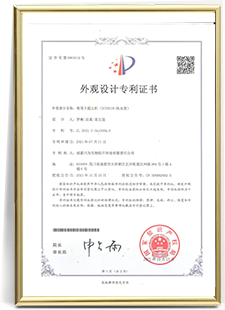
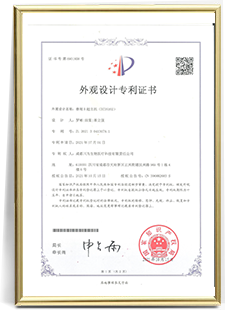
Our diagnostic instruments comply with major global veterinary manufacturing directives and safety regulations.
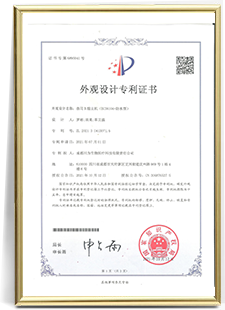
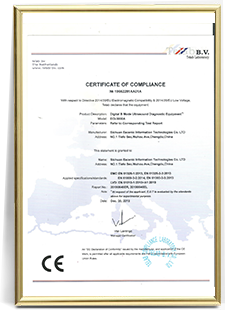
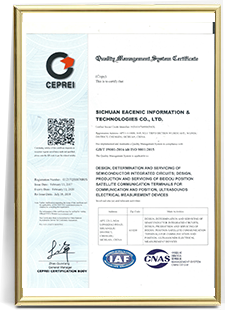
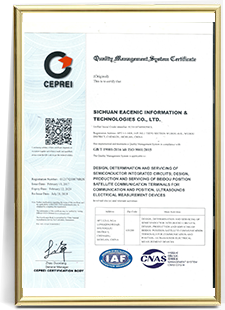
Collaborating with livestock distribution partners and agricultural leaders worldwide.




Stay informed with technical advice and operational practices from our veterinary experts.

Learn how thermostatic controls can stabilize sperm cells during the thawing process in high-humidity climates.
A step-by-step guide to monitoring vaginal mucus resistivity to optimize artificial insemination scheduling.
Key features to consider when selecting back-fat scanners for commercial breeding facilities.
Find technical specifications, operational tips, and shipping logistics details for DR Congo veterinary markets.
Our ECI-T3 veterinary semen thawing thermostat utilizes a microprocessor controller that regulates water temperatures within a +/- 0.2°C margin. This steady temperature curve prevents thermal shock to frozen sperm, preserving motility and cell membrane integrity prior to insemination.
Yes. The ECI-300W and CW-5C probes establish a localized Wi-Fi hotspot to transmit real-time video to your mobile device or tablet. This allows you to perform scans in remote areas without internet or cellular connectivity.
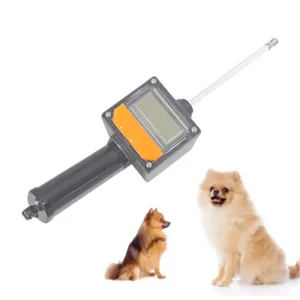
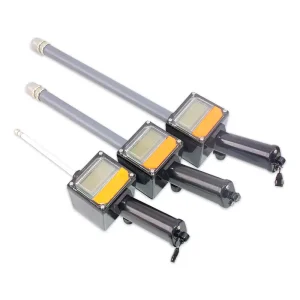
The ECI-500 measures changes in the electrical resistance of vaginal mucus. Near ovulation, the chemical composition and electrical resistivity of the mucus change. By tracking these variations, operators can identify the optimal window for insemination.
We provide full documentation, including CE certifications, packing lists, and commercial invoices, to assist with customs clearance at major entry points, such as Ndjili Airport (Kinshasa) and Matadi Port.
Get in touch with our engineering team to request detailed catalogs, customs logistics advice, and bulk price estimates.
Send Inquiry Now EACENIC SCIENCE & TECHNOLOGY