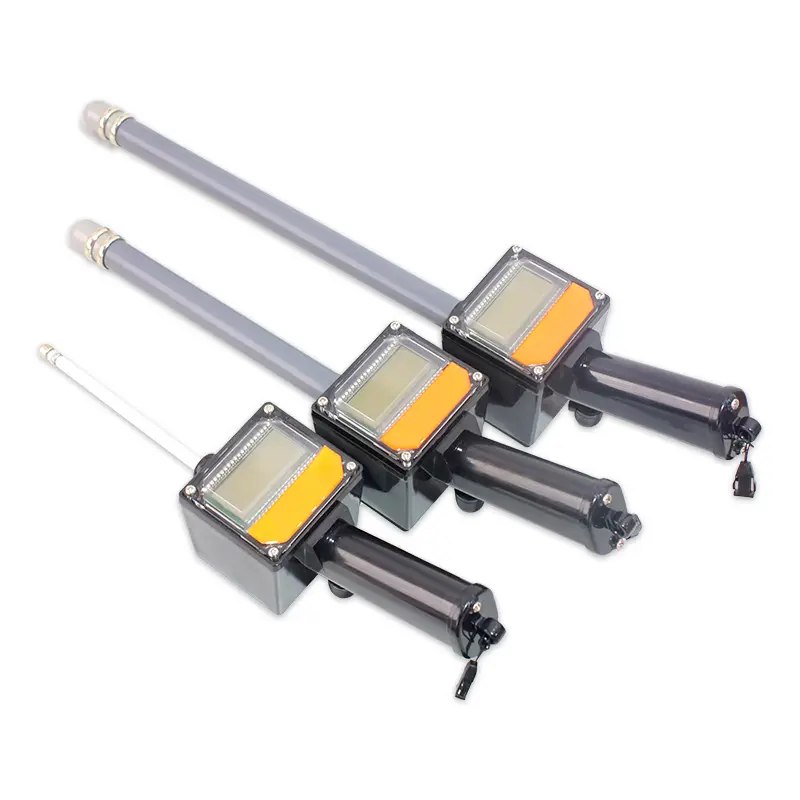
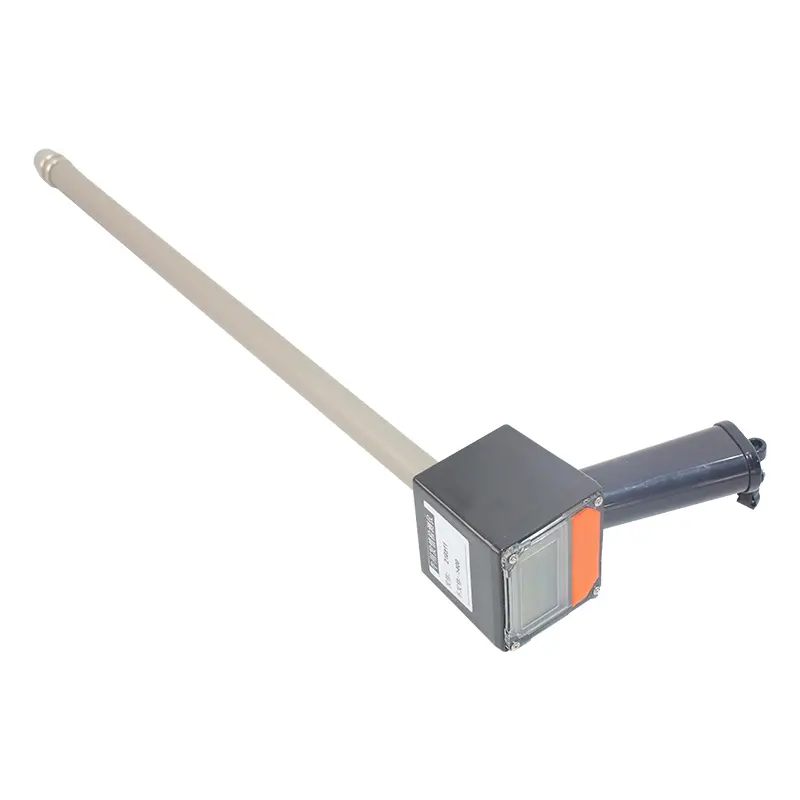
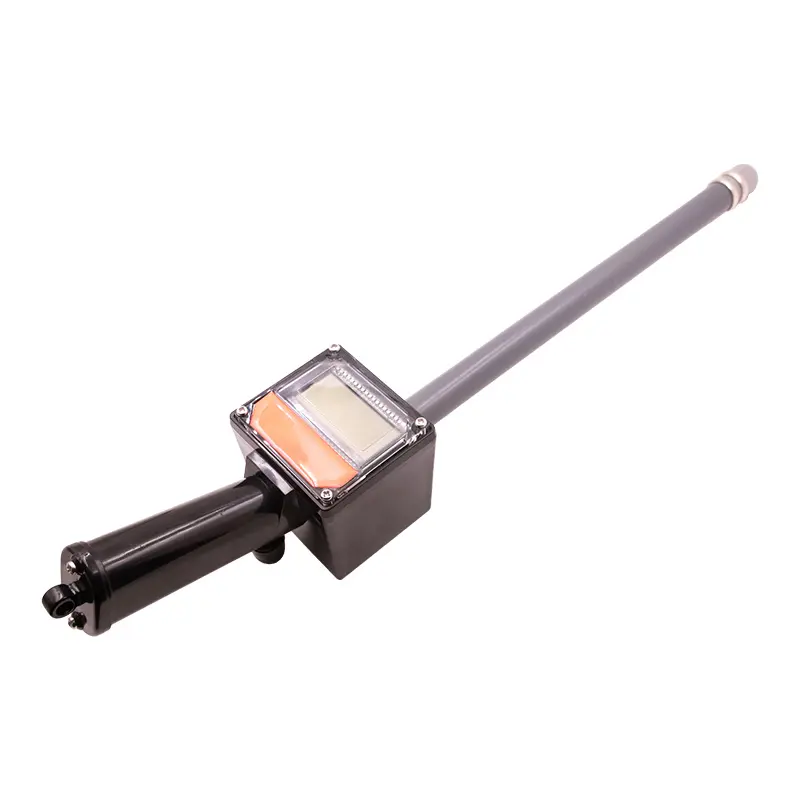
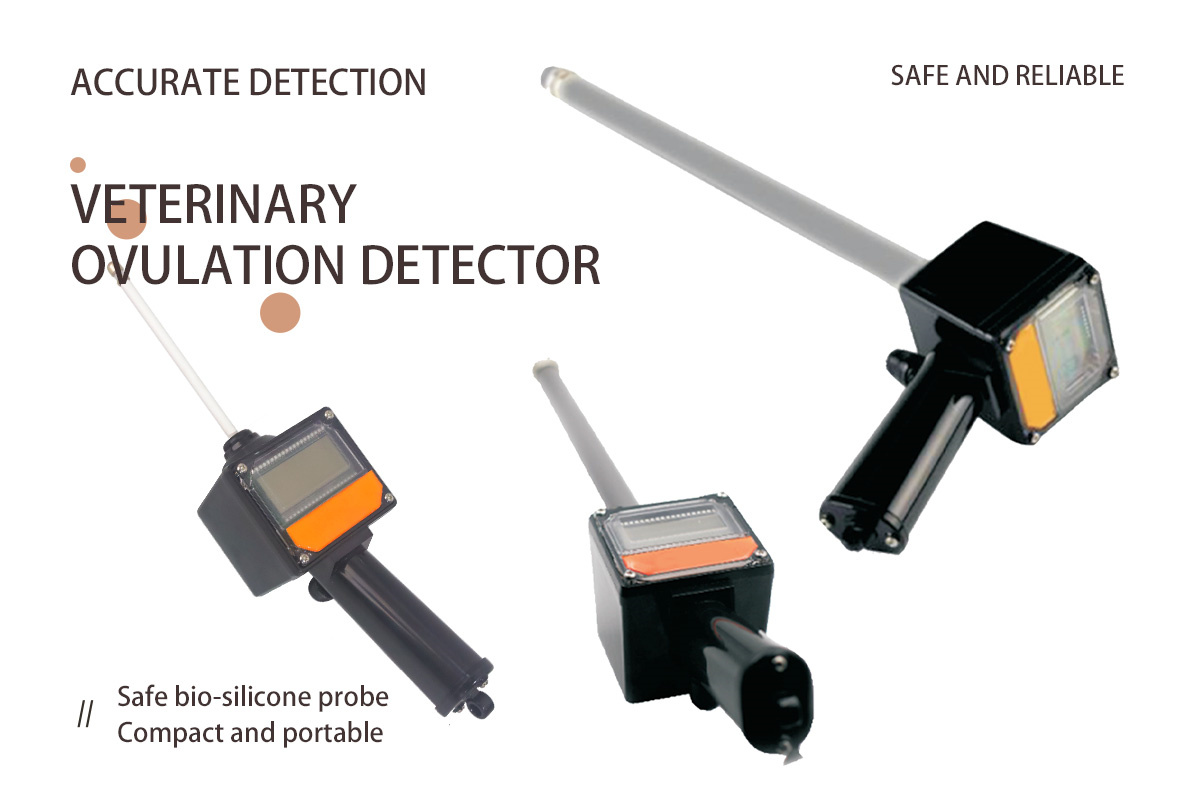
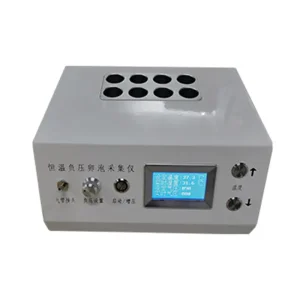
One of the most important elements of livestock breeding management is the detection of the ovulatory cycle, this is because the effectiveness of female insemination is closely related to the precise timing of insemination.
Studies have shown that the rate of missed detection of the ovulatory cycle in breeding practices is very high. Because estrus usually occurs irregularly in real time and has a short cycle time, it is easy to miss the timing of estrus with few or careless observations.
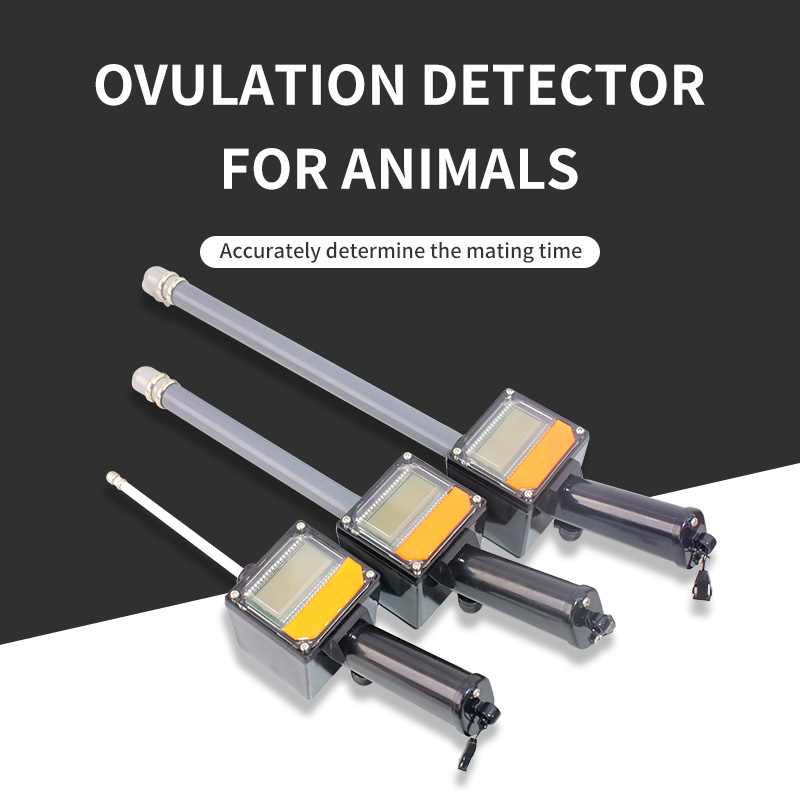
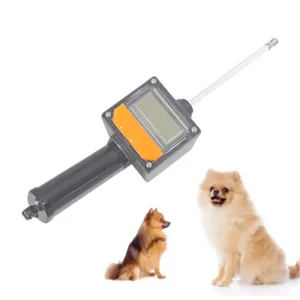
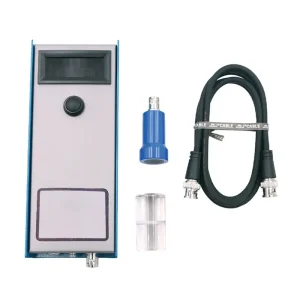
Therefore, biotechnological methods for detecting estrus in various females have been investigated, one of which is the measurement of the electrical resistance of vaginal mucus during estrus. It was shown that there is also a close relationship between changes in vaginal mucus resistance and hormone levels. An ovulation detector was designed utilizing the above phenomenon.
●Determining the timing of mating in animals without regular estrus
●Detecting the timing of asymptomatic estrus
●Improving the effectiveness of artificial insemination
●Improving the economic efficiency of farms
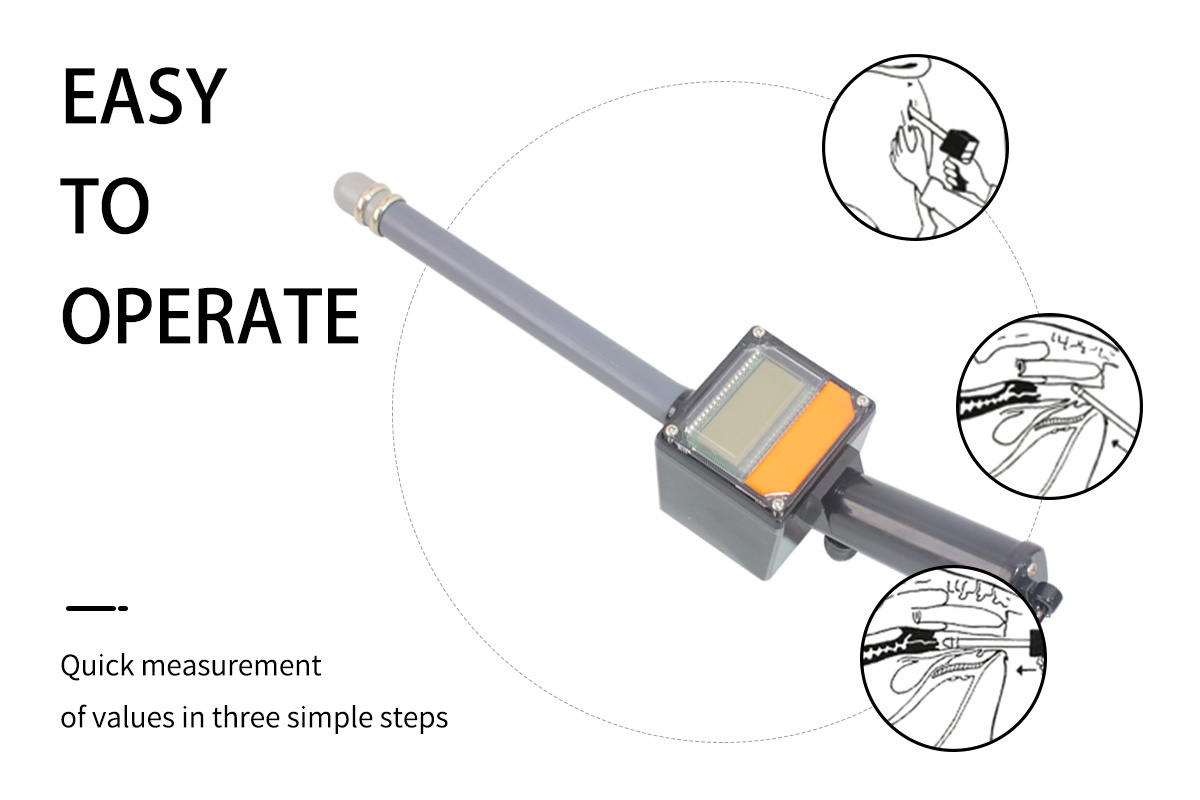
Ovulation Detector Procedure
1. Preparation: The animal's vulva was opened and a sterilized probe was carefully inserted into the vagina.
2. Insertion Angle: Taking care to insert the probe at a 45-degree angle from the bottom up to avoid inserting the probe into the urethra.
3. Positioning: Ovulation detector is inserted further until resistance is felt such that the end of the probe with two electrodes is placed at the end of the animal's vagina, at the cervical canal. The probe is then rotated 1 turn to achieve optimal contact of the electrodes with the mucus.
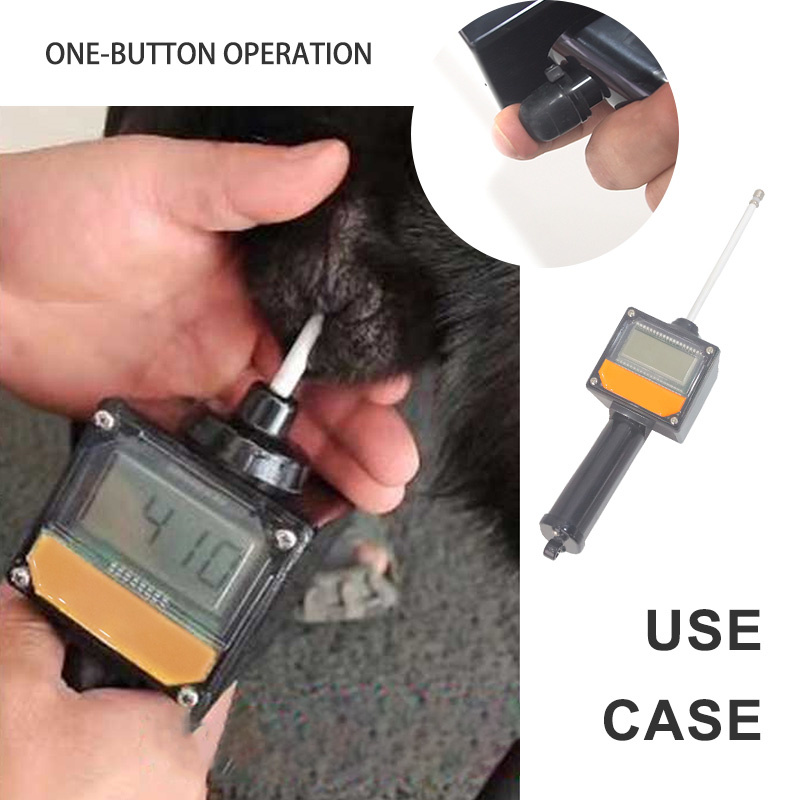
4. Measurement: Pressing the switch for measurement, press the switch once at an interval of 3 seconds, press three times for three measurements, and press the button again to display the measured value.
5. Shutdown: After measurement, long press the switch for shutdown or 30 seconds without operation automatically shutdown.
FAQ
Q1: How does the ECI-500 detect ovulation?A: It measures the electrical resistance of vaginal mucus, which changes significantly in relation to hormone levels during the ovulatory cycle.
Q2: Is the probe safe for all listed animals?A: Yes, the probe is made of medical-grade bio-silicone, which is gentle and safe for use in pigs, cows, sheep, and dogs.
Q3: How deep should the probe be inserted?A: The depth varies by animal. You should insert the probe carefully until you feel slight resistance, ensuring the electrodes reach the cervical canal.
Q4: What is the benefit of taking three measurements?A: Multiple measurements ensure accuracy. The device allows you to take three readings at 3-second intervals to provide a reliable average value.
Q5: How do I interpret the results for my livestock?A: Refer to the reference parameter table. For example, a cow is likely ovulating when the reading is around 210(±10), while a reading over 400 indicates it is not.
Q6: Does the device require special maintenance?A: The probe must be sterilized before and after each use to prevent cross-contamination. The device features an auto-shutdown to preserve the 9V battery.
 EACENIC SCIENCE & TECHNOLOGY