Mali, a cornerstone of livestock production in the Sahelian region, faces unique challenges in animal health management. With a livestock population exceeding 60 million (including cattle, sheep, and goats), the demand for efficient, bio-secure, and mass-vaccination tools has never been higher. Traditional needle-based injections often lead to cross-contamination, "needle-phobia" in animals, and the risk of broken needles in meat products—a significant concern for Mali's meat export quality.
In regions like Mopti, Kayes, and Segou, nomadic pastoralism is the lifeblood of the economy. However, the harsh climate and lack of sterile environments make traditional syringes a vector for Contagious Bovine Pleuropneumonia (CBPP) and Peste des Petits Ruminants (PPR). Needle-free technology eliminates the needle as a transmission path, ensuring that one "shot" doesn't compromise the entire herd.
Globally, the needle-free injector market is projected to grow at a CAGR of 12.5% through 2030. This growth is driven by the shift towards animal welfare and the "One Health" approach. Manufacturers are moving from mechanical spring-loaded systems to high-precision CO2 and battery-powered digital injectors that ensure consistent dosage regardless of the operator's fatigue.
Our R&D focuses on the "Laminar Jet" principle. By forcing liquid medication through a micro-orifice smaller than a human hair at supersonic speeds, the device creates a high-pressure stream that penetrates the skin layers to reach the intramuscular or subcutaneous tissue without a physical probe.
Years Industry Experience
Technical Patents
Vet Products Portfolio
Market Share in Key Segments
During the annual vaccination campaigns led by the Malian Ministry of Livestock and Fisheries, speed is essential. Our needle-free injectors allow for up to 500 injections per hour, significantly reducing the labor cost and time spent in the field.
In the growing poultry sector around Bamako, needle-free technology prevents the spread of Avian Influenza. The lack of a physical needle means there is no "reservoir" for pathogens to travel from one bird to the next.
For exporters targeting the Middle Eastern and European markets, "needle-free" meat is a premium label. It guarantees no abscesses or metal fragments are present in the carcass, ensuring compliance with international food safety standards.
ECI provides more than just hardware. We offer a holistic "Smart Farm" framework tailored for the Mali market:
We consult on how to integrate our injectors with portable solar-powered cooling units, ensuring vaccines remain viable from the capital to the remotest parts of the Timbuktu region.
Our "Train the Trainer" program empowers local Malian veterinarians with the technical expertise to maintain and calibrate needle-free devices, ensuring long-term sustainability.
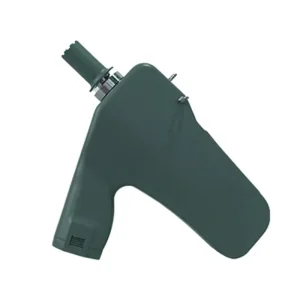
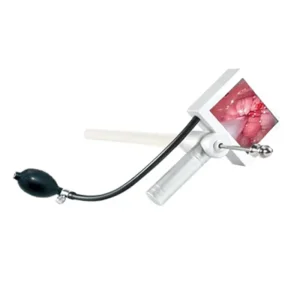
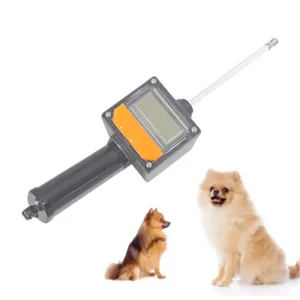
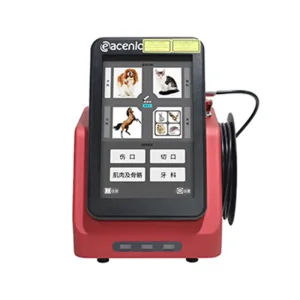
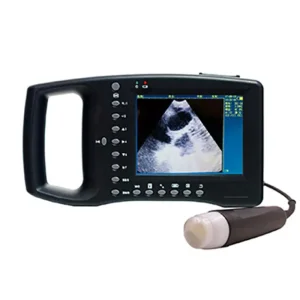
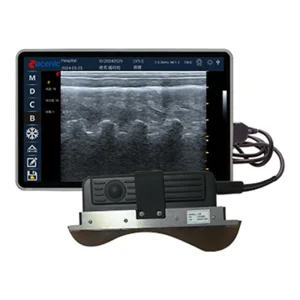
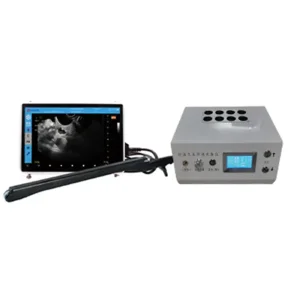
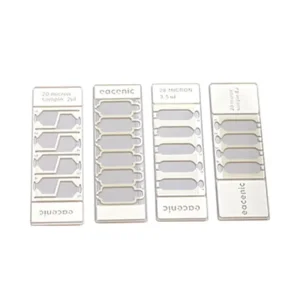
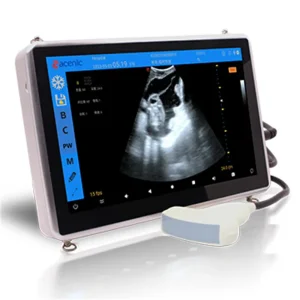
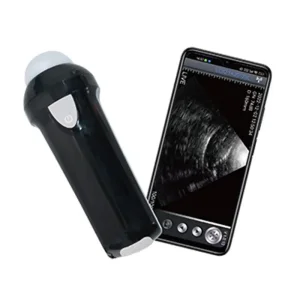
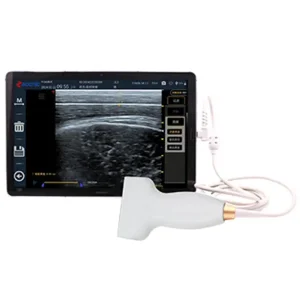
Using our Ultrasound and Semen Analysis tools alongside injectors provides a 360-degree view of herd health and reproductive efficiency.
A: Yes. The ECI-T2 is designed with high-grade industrial polymers and heat-resistant seals. It has been tested to operate efficiently in temperatures up to 50°C, common in the northern Mali regions.
A: While the initial investment in the device is higher, the "cost per injection" decreases over time due to zero needle wastage, reduced labor hours, and the prevention of disease outbreaks that could wipe out an entire herd.
A: Our injectors come with adjustable pressure settings and interchangeable nozzles, making them suitable for cattle, camels, sheep, goats, and pigs.
A: We are currently expanding our distribution network in Mali. We offer 24/7 online technical support and 1-year free replacement for manufacturing defects.
 EACENIC SCIENCE & TECHNOLOGY