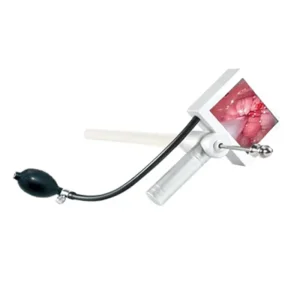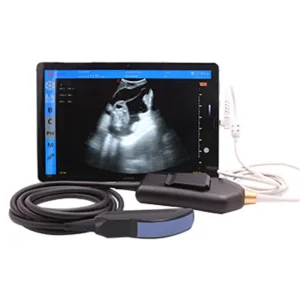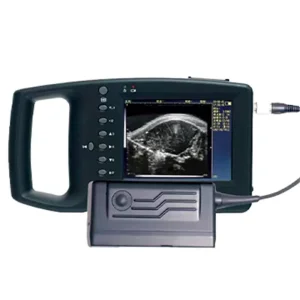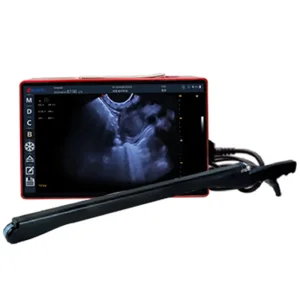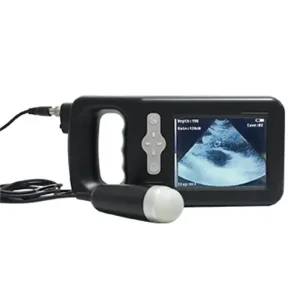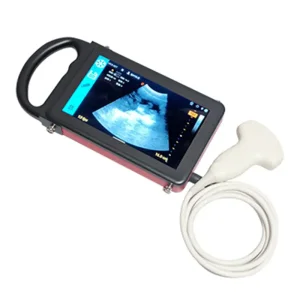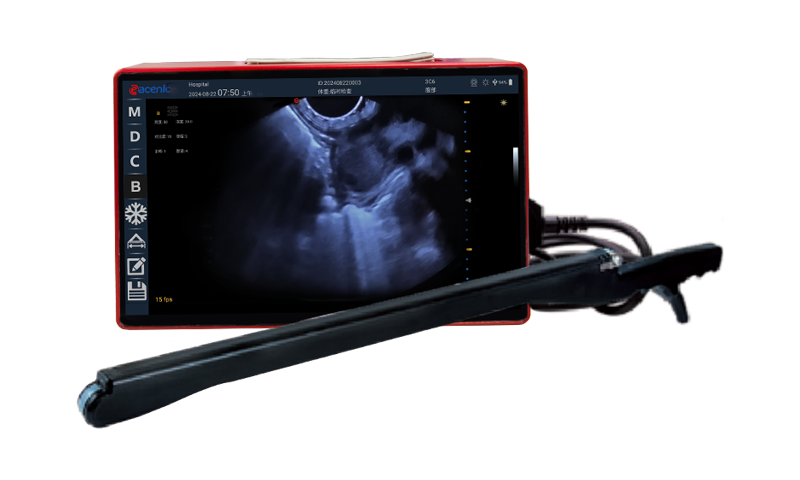
Excellent high-resolution images to provide clinical assistance and diagnostic precision during the livestock breeding process.
Read More →
Accurate, automated data tracking provides the scientific basis for optimal semen dispensing volumes and artificial insemination.
Read More →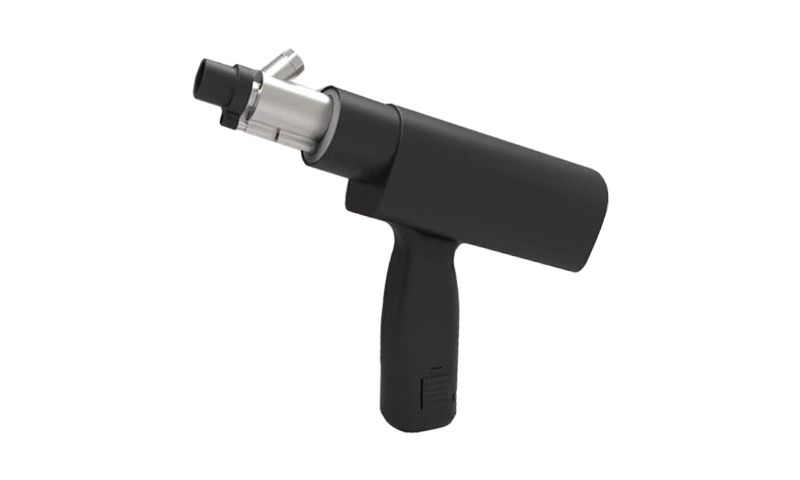
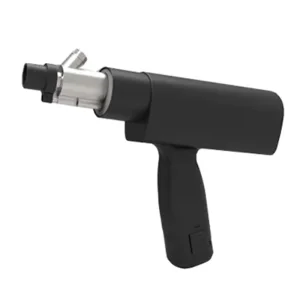
High-velocity needle-free transdermal injection processes completely avoiding cross-infection and metal contamination risks.
Read More →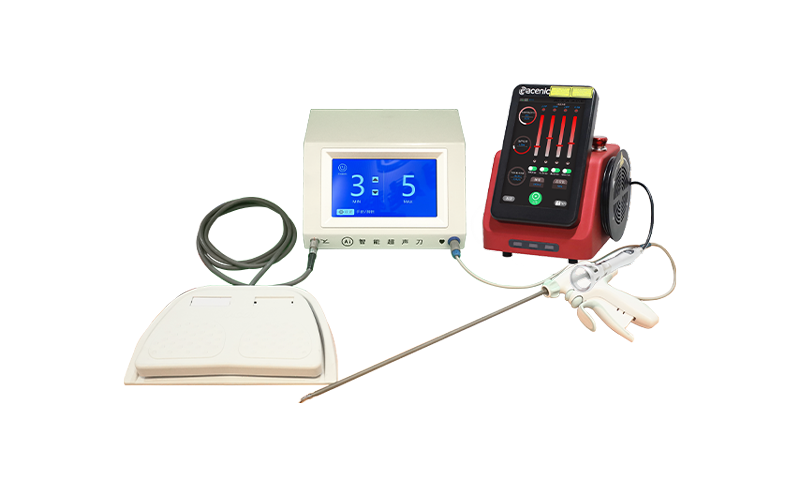
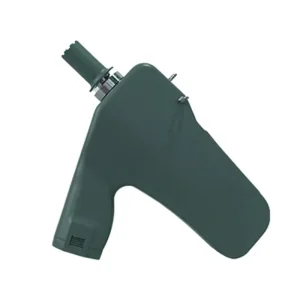
Outstanding ultrasonic cutting and coagulation technology reduces surgical stress and healing time for pets and small livestock.
Read More →The modernization of the agricultural sector in Equatorial Guinea (Equatorial Guinea National Plan 'Horizonte 2035') highlights the critical need for advanced livestock production technologies. As the nation focuses on reducing its dependency on imported animal proteins, the introduction of needle-free jet injection systems represents a paradigm shift in biosecurity, herd safety, and processing efficiency.
The livestock industry in Equatorial Guinea, covering the continental region of Río Muni and the island of Bioko, has experienced a shift from traditional subsistence systems to targeted commercial setups. High-temperature and high-humidity tropical climates present specific vector challenges. In regions like Malabo and Bata, disease containment is a primary concern. Outbreaks of Foot-and-Mouth Disease (FMD), African Swine Fever (ASF), and various poultry viruses can disrupt agricultural growth.
Traditional needle injections have long been a source of risk. The mechanical transmission of viruses via reusable needles remains one of the primary pathways for farm-wide epidemic spreads. Furthermore, broken metal needles represent physical hazards in meat processing, leading to regulatory issues and carcass devaluation. In contrast, needle-free injectors use high-pressure liquid streams to deliver vaccines directly through the skin into the target tissue, addressing physical contamination and cross-infection concerns.
The physical mechanism behind needle-free delivery is high-velocity micro-jet injection. Using compressed gas or spring-loaded mechanics, the liquid vaccine is pushed through a micro-orifice (ranging from 0.1mm to 0.3mm in diameter) at velocities up to 200 m/s. This creates a high-pressure stream that penetrates the skin layers in milliseconds.
Once inside the tissue, the liquid disperses in a uniform pattern, which is different from the concentrated pool formed by a traditional needle. This dispersion pattern allows for efficient vaccine absorption and helps prevent local reactions or abscesses. This is particularly beneficial for intradermal delivery, where targeting dermal antigen-presenting cells can lead to a robust immune response with lower vaccine doses.
| Parameters Compared | Conventional Needle Injections | Needle-Free Jet Injection Systems |
|---|---|---|
| Cross-Infection Risk | High (Needle reuse transmits pathogens between animals) | Zero (No physical needle; no fluid carryback) |
| Meat Contamination | Risk of broken needles in muscle tissue | Zero (No metal components enter the body) |
| Dosage Dispersion | Concentrated bolus; localized tissue stress | Fine spray mist dispersion; uniform absorption |
| Animal Distress | Significant pain, tissue trauma, and stress | Minimal discomfort; quick, quiet application |
| Operational Speed | Slow; requires needle changes and manual handling | Rapid cycle rates; automated dosage resets |
Implementing these devices within Equatorial Guinea's livestock operations can target specific operational needs:
The global veterinary needle-free injection industry is transitioning toward digital, connected diagnostic systems. Modern models feature IoT integration, allowing farm management to track real-time vaccination logs, count cycles, monitor dosage precision, and upload records to cloud-based monitoring systems.
Integration with RFID technology allows the device to recognize individual animal ear tags. This adjustment enables customized dosing based on age or weight classes, helping to prevent under-dosing or over-dosing.
As a leading manufacturer of veterinary diagnostic and application equipment, our 1,800+ square meter factory in China houses R&D labs and production lines. We hold over 40 patents and adhere to ISO 9001 and CE standards. Our supply chain ensures reliable lead times for Equatorial Guinea importers, including transport through the Port of Malabo and Port of Bata.
Our manufacturing processes use CNC machining for the fluid paths and nozzle systems. Hardened materials resist abrasion, maintaining injection consistency over hundreds of thousands of cycles.
Importing specialized veterinary equipment requires local technical support. We provide complete service packages for Equatorial Guinea:
Founded in 2009, ECI is a trusted supplier of veterinary diagnostic and delivery devices, holding a significant share of China's market. Our main product catalog includes veterinary ultrasound systems, animal semen analysis units, veterinary ovulation detectors, and needle-free injectors.
Since expanding our export scope in 2019, we have established distribution partners in Canada, Turkey, the USA, Mexico, Belgium, and other markets. We continue to work with global partners to improve animal health and support efficient livestock development.
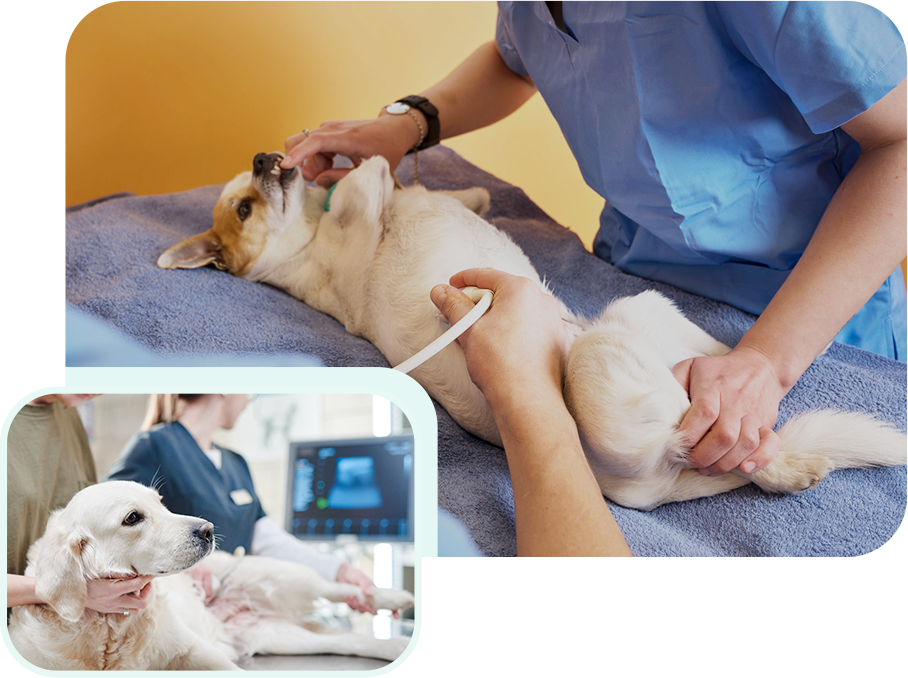
Over 16 years of dedication to veterinary engineering, providing R&D capability, product control, and field support.
Our R&D center in Chengdu houses a team of more than 20 engineers, developing customizations tailored to specific field requirements.
Our production personnel apply specialized industry knowledge to ensure consistent builds and reliable field operations.
We provide custom housing designs, local language interface localization, and specialized adapter configurations.
All products include a 1-year warranty coverage, including replacement components during the warranty period.
Collaborating with global partners to deliver reliable veterinary products and OEM/ODM engineering solutions.
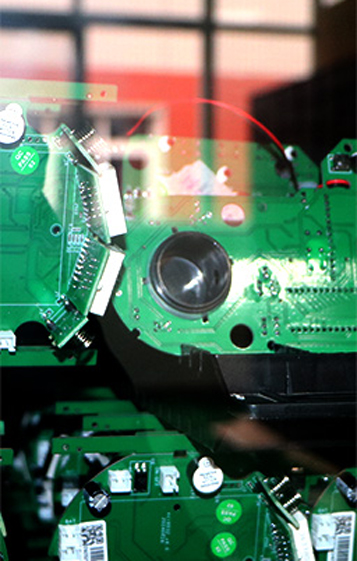
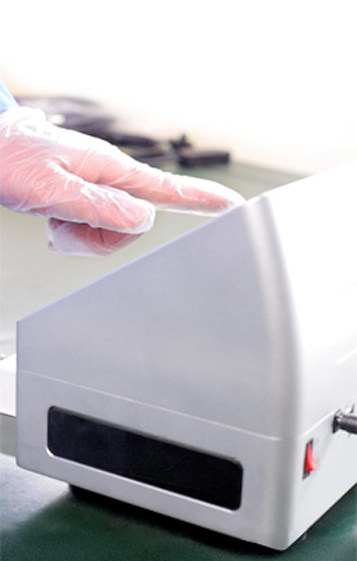


Compliance validation and certificates proving high manufacturing standards and engineering controls.
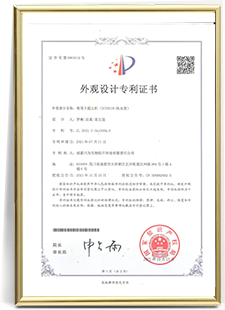
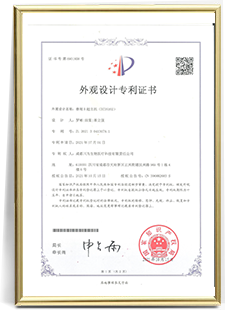
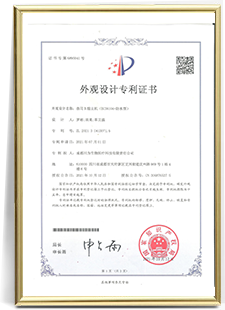
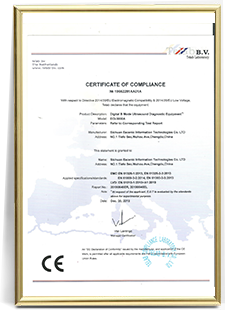
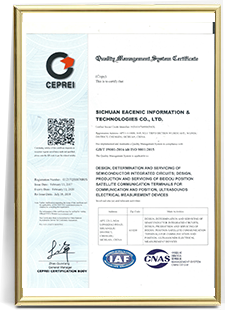
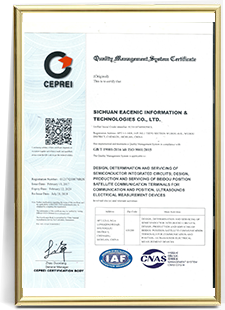
Working alongside global organizations, agriculture suppliers, and international veterinary research institutes.








Follow our technical articles and veterinary field reports to keep updated with diagnostic advancements.
Understand how environmental humidity influences vaccination pathways and herd stress management.
Read Case Study →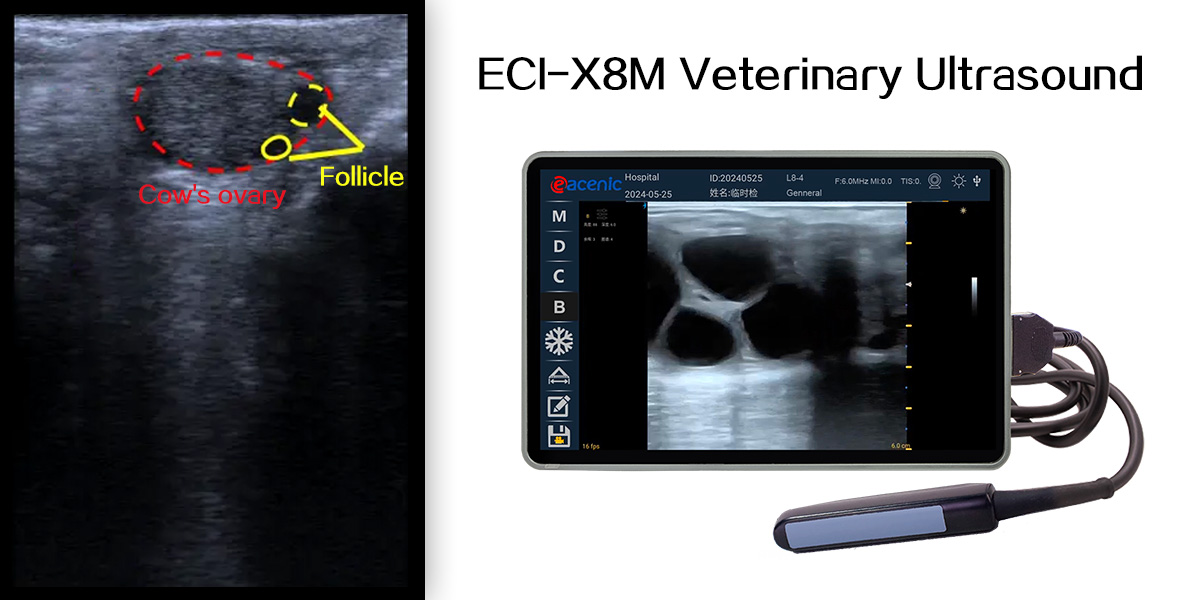
A clinical evaluation of timing, semen diagnostic monitoring, and hormonal optimization.
Read Case Study →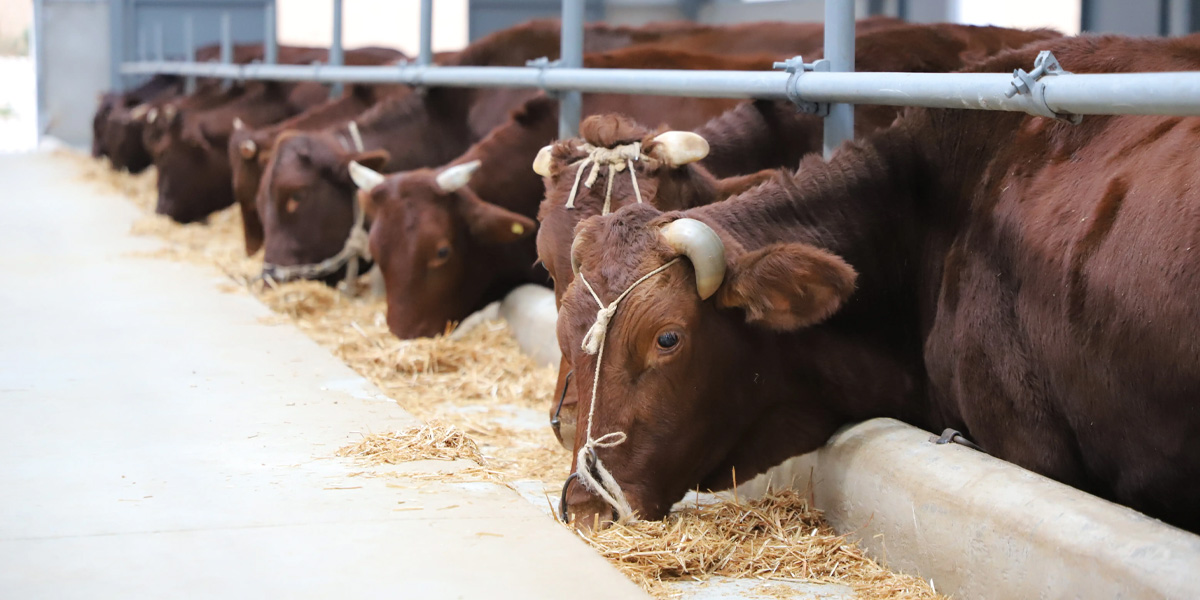
Optimizing probe parameters between mechanical sector scanners and color Doppler arrays.
Read Case Study →Answering common queries from livestock operators, veterinarians, and import partners in Equatorial Guinea.
Contact our distribution and engineering teams for custom system integration, volume pricing, and localized support packages for Equatorial Guinea.
Explore our core veterinary ultrasound machines, ovulation detectors, and advanced needle-free injectors certified for Equatorial Guinea agricultural projects.
 EACENIC SCIENCE & TECHNOLOGY