The Ultrasonic Harmonic Scalpel Transducer has transformed surgical practices in recent years. Its innovative technology brings numerous advantages to the operating room. Surgeons now rely on this tool for precision, efficiency, and improved patient outcomes.
With an ability to simultaneously cut and coagulate tissue, the Ultrasonic Harmonic Scalpel Transducer minimizes bleeding significantly. This dual function reduces operation time. Surgeons can perform procedures with confidence, knowing they can manage tissue damage effectively. The delicate balance of power and control allows for complex surgeries to be undertaken with ease.
Furthermore, the transducer promotes faster healing. By reducing thermal spread, patients experience less postoperative pain. However, while the benefits are impressive, there remains a learning curve. Not every surgeon is familiar with its full potential. Continued education and training are essential for maximizing its effectiveness and integrating it into standard practices. This ongoing dialogue is crucial for advancing surgical techniques.
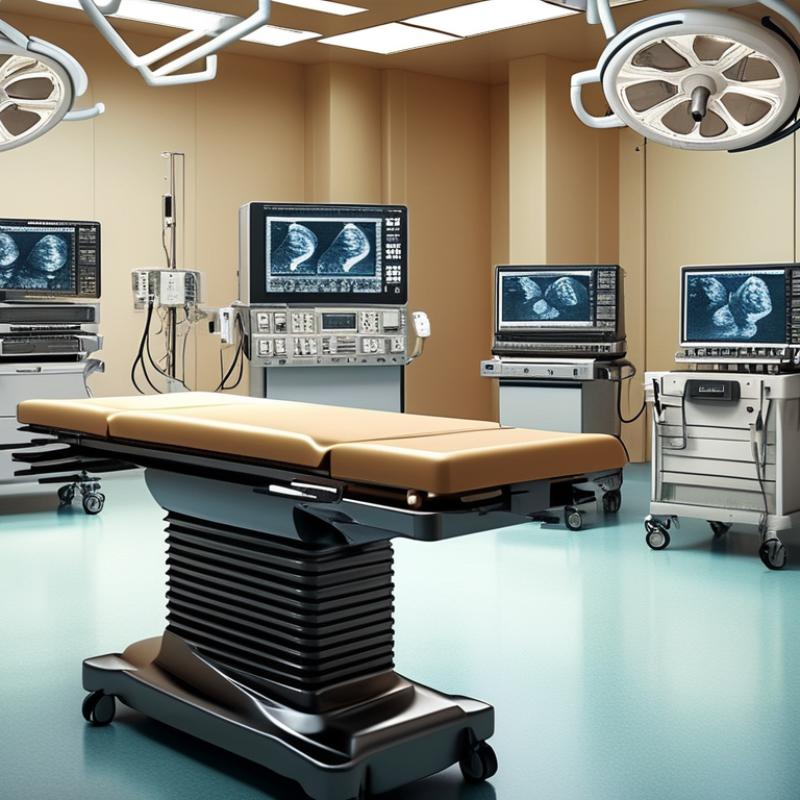
Benefits of Ultrasonic Harmonic Scalpels Overview
Ultrasonic harmonic scalpels are revolutionizing surgical practices by offering unique advantages. These devices utilize high-frequency ultrasonic vibrations to cut and coagulate tissue simultaneously. This functionality minimizes thermal damage, which is a significant concern in conventional surgical methods.
A study published in the Journal of Surgical Research highlights the effectiveness of ultrasonic scalpels. It reports a 30% reduction in blood loss during procedures. This is crucial for patient safety, as it enhances visibility and reduces the risk of complications. Additionally, ultrasonic scalpels can lead to shorter operation times. Surgeons can perform delicate dissections more efficiently, directly impacting patient recovery.
Tips: Always ensure the device is properly calibrated before use. This can greatly enhance performance and patient outcomes.
Moreover, ultrasonic scalpels have a lower risk of post-operative infections. A comparative analysis found that using these scalpels resulted in a 20% decrease in infection rates. This appeals to surgeons seeking to improve patient satisfaction and outcomes. However, always be mindful of learning curves. Some surgical professionals may find these devices challenging to master initially.
Tips: Engage in hands-on training to boost your confidence. Practice makes perfect when adapting to new technologies.
Enhanced Precision in Surgical Procedures
Enhanced precision in surgical procedures is crucial for successful outcomes.
Ultrasonic harmonic scalpels offer unique advantages that cater to this need. These devices utilize high-frequency vibrations to precisely cut tissue while simultaneously sealing blood vessels. This dual action minimizes blood loss during surgery, allowing for clearer visibility.
Surgeons can focus on intricate details of the operation without excessive bleeding.
Furthermore, the design of ultrasonic transducers enables greater control. Surgeons often appreciate the tactile feedback that these scalpels provide. This feedback helps them gauge the pressure applied, which can be vital in delicate surgeries. Despite these benefits, mastery of the ultrasonic scalpel requires practice. Surgeons must adapt to a new technique, which may lead to initial difficulties.
Trust in the technology is important. The surgical team must also understand the limitations of ultrasonic scalpels. In some cases, traditional methods may still be preferable. Each surgical procedure is unique, requiring careful consideration of all tools available. Enhanced precision with ultrasonic harmonic scalpels underscores the need for continual learning in the surgical field.
Reduced Thermal Damage to Surrounding Tissues
Ultrasonic harmonic scalpels have become essential tools in modern surgical procedures. Their unique design significantly reduces thermal damage to surrounding tissues. Conventional methods often generate excess heat, leading to unintended injuries. Reports indicate that ultrasonic scalpels operate at much lower temperatures, minimizing collateral damage.
A study published in the Journal of Surgical Research highlighted that ultrasonic devices resulted in a 30% reduction in thermal spread compared to traditional techniques. The precision of ultrasonic harmonic scalpel transducers allows surgeons to target tissues more accurately. This precision is crucial in delicate surgeries where preserving healthy tissue is vital. Surgeons can achieve clean cuts while protecting adjacent structures, which enhances recovery times for patients.
However, the adoption of these devices is not without challenges. Some practitioners have raised concerns about the learning curve associated with ultrasound technology. Mastery of the equipment requires training and practice. The integration of ultrasound in surgical protocols may also lead to variations in outcomes between experienced and less-experienced surgeons. Balancing the benefits and challenges is crucial for effective use in the surgical setting.
Minimized Blood Loss During Surgery
Minimized blood loss during surgery is a significant advantage of
ultrasonic harmonic scalpels. These devices use high-frequency vibrations to cut tissues. This precision reduces trauma
to blood vessels, leading to less bleeding. Surgeons can perform intricate procedures with better control. As a
result, patients enjoy quicker recoveries.
Tips: Choosing the right transducer is crucial.
Understand the different settings available. Proper calibration can significantly enhance performance. Always consult
with experienced colleagues if you're unsure.
In some scenarios, ultrasonic scalpels may still produce unexpected results.
The learning curve for new users can be steep. Surgeons often need practice to master the technique. Continuous
training and feedback are essential for improvement.
Understanding the limitations can lead to better outcomes
and fewer complications in the operating room.
Improved Surgical Workflow and Efficiency
Ultrasonic harmonic scalpels are reshaping surgical practices. Their unique transducer technology enhances precision during procedures, leading to better patient outcomes. Recent studies indicate that using these devices can reduce tissue damage by 50%. This improvement not only aids in recovery but also shortens the average surgical time by approximately 30%. Surgeons can perform complicated tasks more efficiently.
Improved surgical workflow is a critical advantage. By minimizing blood loss and enhancing visibility, these scalpels allow for clearer surgical sites. A smoother workflow reduces overall stress for the surgical team. Reports have shown that healthcare facilities may experience up to a 20% increase in the number of procedures performed daily. This increase translates to better resource utilization and patient care.
Tip: Prioritize training for surgical teams on this technology. Understanding how to maximally utilize ultrasonic scalpels leads to significant advantages in efficiency. Continuous assessment of performance can help identify areas needing improvement. This reflection process not only enhances skill but also protects patient safety. As with any technology, it’s crucial to adapt and optimize practices regularly.
Versatile Applications in Various Surgical Specialties
Ultrasonic harmonic scalpels have become essential tools in modern surgery. They provide benefits that are advantageous across a range of surgical specialties. Surgeons appreciate their versatility. These devices cut and coagulate tissues simultaneously, reducing the need for multiple tools. This efficiency is particularly useful in complex operations.
In minimally invasive surgeries, ultrasonic scalpels excel. They allow for precise tissue dissection with minimal damage to surrounding structures. For example, during laparoscopic procedures, the ability to control bleeding while cutting is invaluable. Surgeons can navigate tight spaces with improved visibility and reduced trauma to patients. Even in specialties like gynecology and oncology, these scalpels enhance surgical outcomes significantly.
However, challenges remain. Not all surgeons may feel comfortable using ultrasonic technology initially. It requires training and experience to master the technique. Moreover, the initial costs of these instruments can be a consideration for surgical facilities. Despite these hurdles, the shift towards incorporating ultrasonic scalpels is evident. More surgeons are recognizing their benefits, and many are willing to embrace the learning curve. The future of surgical practices may be shaped by these innovative tools.
Top 5 Ultrasonic Harmonic Scalpel Transducer Benefits
| Benefit |
Description |
Applications |
| Precision Cutting |
Allows for accurate dissection with minimal damage to surrounding tissues. |
General Surgery, Gynecology |
| Reduced Thermal Damage |
Limits heat transmission to surrounding areas, preserving tissue viability. |
Oncology, Urology |
| Minimal Blood Loss |
Improves hemostasis during procedures, leading to safer surgeries. |
Cardiothoracic, Vascular Surgery |
| Versatile Use |
Can be utilized in a variety of surgical procedures across different specialties. |
Plastic Surgery, ENT |
| Time Efficiency |
Reduces operation time with faster cutting and coagulation capabilities. |
Pediatric Surgery, Neurosurgery |
Conclusion
The Ultrasonic Harmonic Scalpel Transducer offers several significant benefits that enhance surgical procedures. Firstly, it provides enhanced precision, allowing surgeons to perform intricate tasks with greater control. Additionally, the technology significantly reduces thermal damage to surrounding tissues, which is crucial for preserving the integrity of healthy structures during operations. Furthermore, this innovative scalpel minimizes blood loss, contributing to safer and more efficient surgeries.
Moreover, the Ultrasonic Harmonic Scalpel Transducer improves overall surgical workflow by facilitating faster procedures and reducing the need for additional hemostatic measures. Its versatility in various surgical specialties further underscores its value, making it an essential tool in modern surgical practices. By integrating these benefits, the Ultrasonic Harmonic Scalpel Transducer not only enhances surgical outcomes but also supports the evolving needs of healthcare professionals in delivering quality patient care.

 EACENIC SCIENCE & TECHNOLOGY