When selecting an Animal Ultrasound Machine, the decision can greatly impact veterinary practices. The right equipment enhances diagnostic abilities and improves patient care. Many factors influence this choice, including the machine's technology, ease of use, and specific animal needs.
Choosing an ultrasound machine is not always straightforward. It requires a thorough understanding of both the medical requirements and available technologies. Various models offer distinct features that cater to specific situations. You may feel overwhelmed by the options. Reflecting on your practice's needs is crucial.
Experience plays a significant role in making this choice. Consulting with professionals who frequently use these machines can provide valuable insight. Ultimately, a well-informed decision will lead to better outcomes for animals in your care. Investing time in research brings long-term benefits for both practitioners and patients.
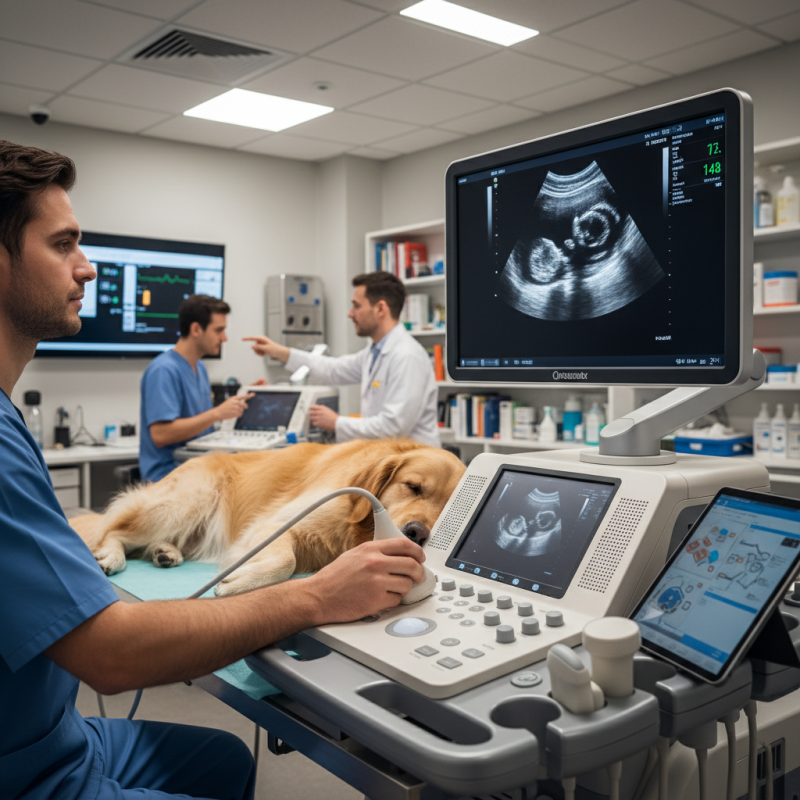
Animal ultrasound machines are vital tools in veterinary medicine. They allow for non-invasive imaging, helping in the diagnosis of various health issues in pets and livestock. Studies reveal that early detection can increase treatment success rates by up to 80%. This highlights the importance of choosing the right ultrasound machine for efficient diagnostics.
When selecting an animal ultrasound machine, consider the device's frequency range. Higher frequencies provide better resolution but penetrate less deep, while lower frequencies can reach deeper tissues. This balance is crucial for different species. Another factor is portability; a handheld device might be practical for fieldwork, especially in rural areas.
It's essential to evaluate the machine's training and support options. Some devices come with user-friendly interfaces that require minimal training. Access to professional support can also improve the efficiency and effectiveness of ultrasound services. As technology evolves, keeping up with the latest advancements is necessary to ensure optimal care for animals.
When choosing an animal ultrasound machine, several key features should be prioritized. First, consider the image quality. A machine with high resolution and clarity will help in accurate diagnosis. Look for devices that offer various imaging modes, such as 2D and Doppler imaging. These options enhance visibility and detail in scans, crucial for identifying health issues.
Another important aspect is portability. Many veterinarians work in various settings, including clinics and farms. A lightweight and compact ultrasound machine is easier to transport. Battery life is also crucial; a machine that lasts longer can improve efficiency during fieldwork.
User-friendliness should not be overlooked. An intuitive interface allows for quick learning and efficient operation. However, keep in mind that even the best machines can have a learning curve. Testing different devices can help identify the most comfortable option for your needs. Regular updates and support from manufacturers are beneficial, too. The combination of these features can significantly influence diagnostic capabilities, leading to better patient care.
When selecting an animal ultrasound machine, it’s essential to understand the various types available. Generally, these machines fall into three categories: portable, cart-based, and specialty devices. Portable machines are great for vet clinics and remote locations where mobility is key. Cart-based systems offer more features and higher image quality, making them suitable for larger practices. Specialty devices cater to specific needs, such as equine or cardiac imaging.
Industry reports indicate that the global veterinary ultrasound market was valued at approximately $125 million in 2022. This figure reflects a growing trend as veterinary professionals increasingly rely on ultrasound for diagnostics. However, practitioners often grapple with the decision between diagnostic capability and budget constraints. Some machines may lack advanced imaging technology, potentially leading to missed diagnoses. It's crucial to compare specs and real-world applications before committing to a purchase.
The versatility of ultrasound technology cannot be overstated. Studies show that proper training maximizes the effectiveness of these machines. Many practitioners feel unprepared to harness the full potential of ultrasound. This gap highlights the importance of thorough education and practice. Understanding the trade-offs of different models, especially in terms of user experience and maintenance, can significantly impact diagnostic outcomes.
When budgeting for an animal ultrasound machine, it’s vital to assess your needs carefully. Machines come in various types and price ranges. Determine if you require basic imaging or advanced features. A more complex machine may yield better results but at a higher cost. Weigh the benefits of enhanced functionality against your budget constraints.
Consider additional expenses beyond the initial purchase. Look into maintenance costs, software updates, and training for staff. A cheaper machine may need more repairs or have a shorter lifespan. This can lead to unforeseen costs later on. Always estimate long-term expenses to ensure cost efficiency.
Moreover, think about financing options. Some suppliers offer leasing plans, which can ease the pressure on your budget. However, analyze these payment structures carefully. Sometimes, a lower monthly payment translates to a much higher overall cost. A thoughtful evaluation of all these factors can lead to a more informed decision in the long run.
| Tip | Considerations | Cost Efficiency | Budget Range (USD) |
|---|---|---|---|
| 1. Assess the Type | Determine the specific animal species and diagnostic needs. | Tailor the machine features to your most common procedures. | $5,000 - $15,000 |
| 2. Evaluate Image Quality | Look for machines with high resolution and clarity. | Investing in better image quality can reduce retakes. | $10,000 - $25,000 |
| 3. Check Portability | Consider a machine that is easy to transport if needed. | Portable machines may save costs on transport. | $6,000 - $18,000 |
| 4. Understand Warranty and Support | Look for good warranty and customer support options. | Reliable support minimizes downtime and costs. | Variable, typically included in price |
| 5. Compare Total Costs | Look beyond initial price; consider maintenance and consumables. | Long-term ownership costs can differ significantly. | $7,000 - $20,000 |
When it comes to selecting an animal ultrasound machine, researching manufacturers and service providers is crucial. The veterinary ultrasound market is projected to grow at a compound annual growth rate (CAGR) of 8.5% until 2026. This indicates a robust demand for quality machines. Understanding the reputation of manufacturers can ensure you invest wisely.
Consider looking for providers that offer extensive customer support. Surveys show that 75% of veterinarians highlight service accessibility as a key factor when choosing equipment. A reliable provider should supply training sessions and maintenance plans. Many professionals emphasize the importance of ongoing support, especially for complex machines.
Furthermore, investigate the technological advancements of different manufacturers. Many reports suggest that machines with advanced imaging capabilities increase diagnostic accuracy by up to 30%. It's essential to balance cost with features. Explore various options, and avoid rushing into decisions. Each choice affects your practice's efficiency and credibility in the long run.
: They help diagnose health issues in pets and livestock through non-invasive imaging.
Higher frequencies give better resolution but penetrate less, while lower frequencies reach deeper tissues.
Portable devices are practical for fieldwork, particularly in rural areas with limited access to veterinary care.
Machines are categorized into portable, cart-based, and specialty devices tailored for specific needs.
Proper training maximizes effectiveness, yet many practitioners feel unprepared to use these machines effectively.
Assess your needs and weigh advanced features against budget constraints and long-term expenses.
Yes, consider maintenance, software updates, and potential training costs when budgeting.
Leasing can ease budget pressure, but be wary of lower payments leading to higher overall costs.
Enhanced functionality can improve results, but some machines may lack essential imaging technology.
Compare specifications and real-world applications to ensure the machine meets your needs effectively.
Choosing the right Animal Ultrasound Machine is crucial for veterinarians and animal health professionals as it significantly impacts diagnostic accuracy and patient care. Understanding the importance of these machines begins with recognizing their role in detecting various health conditions in animals. Key features to consider include image quality, portability, and ease of use, which vary among different types of ultrasound machines available on the market.
Furthermore, evaluating the options requires careful budgeting and cost-efficiency analysis to ensure a sustainable investment. It's also vital to research manufacturers and service providers, as reliable support and maintenance can enhance the longevity and performance of the Animal Ultrasound Machine. Ultimately, a well-informed decision based on these considerations will lead to optimal outcomes in animal healthcare.

EACENIC SCIENCE & TECHNOLOGY