What is a Pet Ultrasound Scanner and How Does it Work?

Time:2026-08-03 Author:Aria
0%

The Pet Ultrasound Scanner is a vital tool in veterinary medicine. It allows for non-invasive imaging of a pet's internal structures. According to recent industry reports, the demand for pet healthcare services has surged, with the veterinary ultrasound market expected to reach $830 million by 2025. This growth highlights the importance of advanced diagnostic tools like ultrasound scanners.

Veterinarians use the Pet Ultrasound Scanner to diagnose various conditions. It aids in detecting tumors, kidney issues, and gestational monitoring in pregnant pets. A study showed that 70% of veterinarians reported improved diagnostic accuracy with ultrasound compared to traditional methods. However, challenges remain, such as the need for trained professionals and potential variability in ultrasound machine quality.

Overall, the Pet Ultrasound Scanner represents a significant advancement in veterinary technology. Yet, it is crucial to reflect on the limitations, including cost and accessibility for pet owners. As the industry evolves, ensuring widespread access to these tools will be essential for enhancing pet healthcare outcomes.
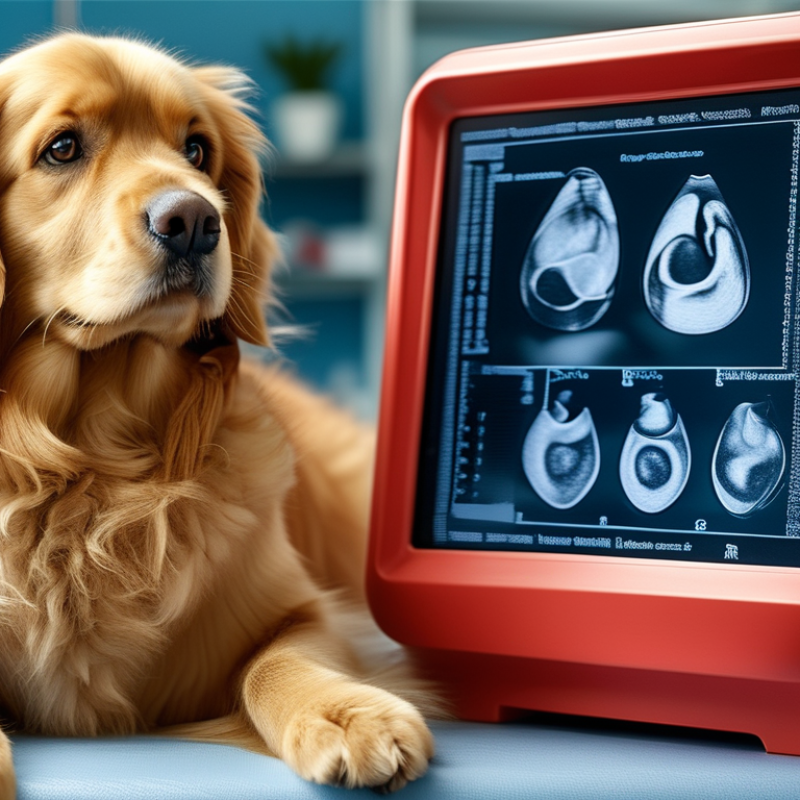
What is a Pet Ultrasound Scanner and How Does it Work?

What is a Pet Ultrasound Scanner?

A pet ultrasound scanner is a specialized medical device used to visualize the internal organs of pets such as dogs and cats. This non-invasive technology allows veterinarians to assess conditions like tumors, kidney stones, and heart issues. The scanner emits sound waves, which create images based on the echoes that bounce back. According to a 2022 report by the American Veterinary Medical Association (AVMA), ultrasound is essential for timely diagnoses and effective treatment plans.

Using a pet ultrasound scanner is a skill that requires proper training. Only licensed veterinarians should perform these procedures. An estimated 20% of all pet medical examinations now involve ultrasound. This number highlights its growing importance in veterinary care. While the technology is reliable, it is still not infallible. Some conditions may go unnoticed. Regular check-ups and combined diagnostic methods are recommended for comprehensive care.

Tips for pet owners include ensuring their pets are comfortable during the ultrasound. Bringing a favorite toy can help ease anxiety. It’s also wise to ask your vet about the specific conditions they can diagnose with ultrasound. While this technology has advanced significantly, it's crucial to understand its limitations and the need for follow-up tests. Keep communication open with your veterinarian to ensure the best outcomes for your pet's health.

The Technology Behind Pet Ultrasound Scanning

Pet ultrasound scanning is an essential diagnostic tool in veterinary medicine. It uses sound waves to create images of a pet's internal organs and tissues. This technology helps veterinarians assess various conditions, such as heart disease or tumors, without invasive procedures. By placing a transducer on the pet's body, sound waves bounce back, producing detailed images on a monitor.

The technology relies on piezoelectric crystals that generate high-frequency sound waves. These waves travel through the pet’s body, reflecting off different tissues. The scanner interprets these echoes and converts them into images. The process is non-invasive and generally safe for pets. However, the quality of the images can vary based on factors like the pet's size and the presence of gas in the abdomen.

While ultrasound is reliable, it requires skilled interpretation. Not all veterinarians may have extensive training in this area. Additionally, some conditions may not be visible in ultrasound images. This limitation can lead to additional testing, which may frustrate both pets and owners. Nonetheless, when used correctly, pet ultrasound scanning is a powerful tool for accurate diagnosis.

How Does a Pet Ultrasound Scanner Work?

A pet ultrasound scanner is a crucial tool for veterinarians. It uses sound waves to create images of internal organs. The process is non-invasive and helps in diagnosing various conditions. According to recent veterinary studies, about 60% of pets with abdominal issues benefit from ultrasound imaging.

During the scan, a transducer sends sound waves into the pet’s body. These waves bounce off organs, producing echoes. The ultrasound machine converts these echoes into visual images. An important aspect is the training of veterinary staff. A skilled technician can interpret images effectively, but misinterpretation is a risk. Studies show that training can improve accuracy, but gaps still exist.

The portability of modern pet ultrasound scanners is a significant advancement. Many devices are lightweight and easy to transport. This feature allows vets to provide on-site care. However, not all clinics have access to such technology. As a result, remote areas might lack adequate imaging services. Addressing these disparities remains a challenge within the veterinary community.

Applications of Pet Ultrasound in Veterinary Medicine

Pet ultrasound technology is revolutionizing veterinary medicine. It allows for non-invasive imaging of animals' internal organs, providing critical insights for diagnoses. According to a study published by the American Journal of Veterinary Research, ultrasound can detect conditions like cardiac disease and tumors with up to 90% accuracy. This technology is especially valuable in companion animals such as dogs and cats.


Ultrasound procedures assist veterinarians in monitoring pregnancy and assessing organ health. For instance, a 2022 report by the Veterinary Imaging Society noted that cardiac ultrasounds have become standard practice for diagnosing heart conditions, leading to timely interventions. However, challenges remain. Both cost and accessibility can limit the availability of ultrasound services in rural areas, highlighting a gap in quality care for some pet owners.


The need for skilled technicians is also a concern. While technology progresses, the proper training for veterinary professionals is crucial. There is a risk of misdiagnosis if ultrasound is performed without adequate expertise. As the field evolves, there's a pressing need for ongoing education and improved resources to maintain high standards in using pet ultrasound effectively.

Benefits of Using Ultrasound for Pet Diagnosis

Ultrasound technology is becoming increasingly popular in pet diagnostics. It provides detailed images of internal organs. This non-invasive procedure helps veterinarians assess health conditions quickly. By using sound waves, ultrasound can show heart function, detect tumors, and monitor pregnancies.

One significant advantage is its safety for pets. Unlike X-rays, ultrasounds do not expose animals to radiation. This makes it a preferred option for sensitive cases. Moreover, the procedure is painless and often quick, yielding immediate results. Veterinarians can also explain the process to pet owners during the examination.

However, it’s essential to note that ultrasound is not always conclusive. Sometimes additional tests may be required for precise diagnosis. While it offers real-time imaging, interpreting those results demands experience. This highlights the importance of relying on skilled professionals. Trust in their expertise is vital for accurate pet care.

FAQS

: What is pet ultrasound scanning?

: Pet ultrasound scanning uses sound waves to create images of a pet's internal organs.

How does the ultrasound process work?

A transducer sends sound waves into the pet’s body. These waves bounce back, producing echoes, which are turned into images.

Is pet ultrasound safe for my animal?

Yes, pet ultrasound is generally non-invasive and safe. However, image quality can vary based on the pet and other factors.

Can all veterinarians perform pet ultrasounds?

Not all veterinarians have extensive training in ultrasound scanning. Skill level can impact the accuracy of image interpretation.

What limitations does pet ultrasound have?

Some conditions may not be visible. This limitation can lead to frustration and additional tests for pets and owners.

How accurate is pet ultrasound for diagnosing conditions?

Ultrasound can detect conditions like heart disease with up to 90% accuracy, yet not all clinics have this technology.

Are there challenges in accessing ultrasound services?

Yes, cost and location can limit access, especially in rural areas where imaging services may not be available.

Why is technician training important?

Proper training is crucial for accurate interpretations. Misdiagnosis is a risk if the ultrasound is performed by untrained staff.

How portable are modern ultrasound machines?

Many newer machines are lightweight and portable, allowing vets to provide care in various locations.

What ongoing issues exist in veterinary ultrasound technology?

There’s a need for continuous education and improved resources to ensure high standards and effective use of ultrasound.

Conclusion

A Pet Ultrasound Scanner is a sophisticated diagnostic tool used in veterinary medicine to visualize and assess the internal structures of pets. Utilizing advanced ultrasound technology, it generates real-time images by emitting sound waves that reflect off tissues, providing valuable insights into a pet's health. The scanner operates by capturing these echoes, allowing veterinarians to evaluate conditions related to the heart, abdomen, and other vital areas without invasive procedures.

The applications of Pet Ultrasound Scanners are vast, aiding in early detection of diseases, monitoring of organ development, and guiding treatment plans. The benefits of using ultrasound in pet diagnostics include non-invasive examinations, immediate results, and the ability to perform dynamic assessments of a pet's physiological state. This makes the Pet Ultrasound Scanner an essential component in modern veterinary practices, enhancing the ability to deliver effective care.


Aria

Aria

Aria is a dedicated marketing professional with a deep passion for innovative strategies and a keen understanding of our company's product offerings. With a wealth of experience in the industry, Aria excels at crafting engaging content that highlights the unique features and benefits of our......