What is a Handheld Ultrasound Probe and Its Applications?

Time:2026-07-04 Author:Liam
0%

The emergence of the Handheld Ultrasound Probe has significantly transformed diagnostic imaging. According to a report by MarketsandMarkets, the global handheld ultrasound device market is projected to reach $2.1 billion by 2026. This rise reflects the growing demand for versatile and portable imaging solutions in healthcare.

Dr. Emily Chen, a leading expert in ultrasound technology, emphasizes its impact: "Handheld ultrasound probes enable faster diagnosis at the point of care." Such statements highlight the increasing importance of these devices in various medical fields, including emergency medicine and primary care.

Despite their advantages, challenges remain. The accuracy of handheld devices can vary depending on the operator's skill and the device's limitations. As training standards for operators continue to evolve, so must the technology. The Handheld Ultrasound Probe stands at a pivotal point, bridging the gap between traditional ultrasound and the future of medical imaging.
What is a Handheld Ultrasound Probe and Its Applications?

Definition and Functionality of Handheld Ultrasound Probes

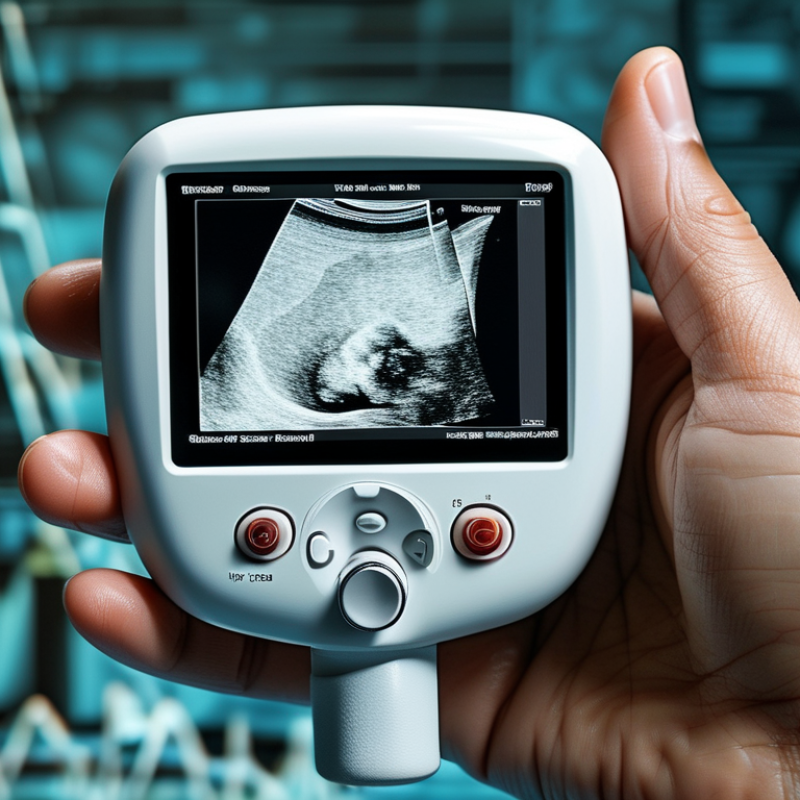
Handheld ultrasound probes are compact devices that capture images of internal body structures. Their portability makes them accessible for various settings, from hospitals to remote locations. These probes function by emitting high-frequency sound waves. These waves travel through body tissues and return to the probe, creating real-time images. They allow for quick assessments and have proven beneficial in emergency and outpatient settings.

When selecting a handheld ultrasound probe, consider the depth of penetration needed for your specific application. Some probes are designed for cardiovascular assessments, while others are better suited for obstetric applications. It’s essential to match the probe type with the body part you are examining to ensure image quality.

Regular calibration and maintenance of the probe are crucial for accurate results. This ensures the device functions well over time. Remember to invest in training for users, as proper technique significantly impacts diagnostic outcomes. The evolving technology of handheld probes offers exciting potential, but one must remain aware of its limitations. Always validate findings with comprehensive assessments.

Key Features and Components of Handheld Ultrasound Probes

Handheld ultrasound probes have become essential tools in modern medical practice. These devices are compact, portable, and offer a range of functions. At their core, they consist of a transducer, a control unit, and a display interface. The transducer converts electrical signals into sound waves and vice versa. This process enables the visualization of internal structures in real-time.

A key feature of handheld ultrasound probes is their connectivity. Many devices now offer wireless capabilities, allowing seamless integration with tablets and smartphones. This enhances ease of use in various clinical settings. The compact design also facilitates quick assessments, but it may limit detailed imaging compared to larger systems. Users must develop skills to interpret images accurately with smaller displays.

Battery life is another vital aspect. While many handheld probes operate for several hours, this can be a limitation during extended use. Users often need to remind themselves to charge devices frequently. The absence of standardization among different models can lead to confusion. Each probe may have unique settings and features, requiring training and practice. Balancing portability and functionality remains an ongoing challenge in the evolution of handheld ultrasound technology.

Common Medical Applications of Handheld Ultrasound Probes

Handheld ultrasound probes are transforming medical imaging. Their portability and ease of use make them invaluable in various healthcare settings. They provide real-time imaging, enabling quick decisions. In emergency rooms, these devices help clinicians assess conditions like cardiac arrest or internal bleeding on the spot.

In primary care, handheld ultrasounds allow family doctors to evaluate patients more thoroughly. They can check for conditions such as gallstones or kidney stones without requiring time-consuming referrals or additional appointments. This speeds up diagnosis and treatment.

Expectedly, the accuracy of these devices can vary based on the operator's skill level and experience. Training is essential to maximize effectiveness.

In obstetrics, handheld probes have simplified prenatal care. They enable quick fetal assessments during routine check-ups. However, the resolution may not match that of traditional systems in complex cases. This limitation can lead to missed information. Hence, a thoughtful balance between handheld and traditional ultrasound is necessary for optimal patient care.

Advantages of Using Handheld Ultrasound Probes in Clinical Settings

Handheld ultrasound probes are becoming increasingly popular in clinical settings. They offer real-time imaging at the point of care. This technology enhances patient assessment during emergency situations and routine check-ups. Healthcare professionals can quickly evaluate heart function, abdominal issues, or musculoskeletal problems. The portability of these devices allows for easy access in diverse environments, from hospitals to remote clinics.

The advantages are significant. Handheld probes are user-friendly and require minimal training. They enable prompt decision-making, which can save lives. Their compact design facilitates quick examinations, reducing wait times for patients. However, challenges remain. The image quality may not always match traditional systems. Proper interpretation of ultrasound images also requires experience and skill. Continuous training and practice are essential to ensure accuracy in evaluations. Clinicians must remain aware of the limitations while utilizing this technology effectively. Emphasis on hands-on experience can improve diagnostic capabilities in various clinical scenarios.

Future Trends and Innovations in Handheld Ultrasound Technology

Handheld ultrasound technology is evolving rapidly. This innovation aims to enhance healthcare delivery. With improved accessibility, medical professionals can use handheld probes in diverse environments. These devices allow quick assessments in remote locations, emergency rooms, and even at home. Their compact size does not compromise functionality, making them a game-changer.

Emerging trends indicate a shift towards integration with mobile technology. This can streamline data sharing among healthcare professionals. Real-time imaging and cloud storage enable enhanced patient care and collaboration. However, challenges remain. Issues related to accuracy and reliability of images are crucial. More research is needed to ensure consistent results across various conditions.

Another focus is user training. As handheld devices become commonplace, proper education is essential. A lack of training may lead to suboptimal usage. This highlights the need for clear guidelines on best practices. Ultimately, while the future is promising, continuous improvement in training and technology is necessary for handheld ultrasound to reach its full potential.

What is a Handheld Ultrasound Probe and Its Applications?

Application Description Future Trends Innovations
Emergency Medicine Rapid assessment of trauma patients using handheld devices. Integration of AI for decision support. Cloud connectivity for real-time data sharing.
Obstetrics Monitoring fetal health and development. Portable devices for home use. Advanced imaging technologies for better visualization.
Primary Care Assessment of common ailments during routine check-ups. Increased accessibility in rural areas. Integration with telemedicine platforms.
Gastroenterology Evaluation of abdominal pain and organ health. Miniaturization of ultrasound technology. Improved resolution and image clarity.
Sports Medicine Assessment of injuries and monitoring recovery. Wearable ultrasound devices. Real-time imaging during training sessions.

FAQS

: What are handheld ultrasound probes?

: Handheld ultrasound probes are portable devices used for medical imaging. They visualize internal structures in real-time.

How do handheld ultrasound probes work?

They have a transducer that converts electrical signals into sound waves. This helps create images of the body.

What makes handheld ultrasound probes useful in emergencies?

Their portability allows quick assessments during critical situations like cardiac arrest or internal bleeding.

Why is battery life important for handheld probes?

These devices typically operate for only a few hours. Users must frequently charge them for extended use.

What are the limitations of handheld ultrasound probes?

While useful, they may not provide detailed imaging. Smaller displays can lead to challenges in accurate interpretation.

How do handheld ultrasound probes benefit primary care?

They allow doctors to diagnose conditions like gallstones quickly, reducing the need for referrals or extra appointments.

What training is required for effective use of handheld probes?

Users need training to develop skills. Operator experience can greatly affect the accuracy of the imaging results.

Can handheld ultrasound probes replace traditional systems?

No. They complement traditional ultrasounds. Sometimes, important information may be missed with handheld devices.

Conclusion

Handheld Ultrasound Probes are compact medical devices that allow for real-time imaging in various clinical settings. Their functionality centers around generating and interpreting ultrasound waves to visualize organs and tissues, making them essential tools for healthcare professionals. Key features include portability, ease of use, and a range of advanced imaging capabilities, which enhance their applicability in diagnostics.

The common medical applications of Handheld Ultrasound Probes span across multiple fields, including obstetrics, cardiology, and emergency medicine. The advantages of using these probes include increased accessibility to ultrasound imaging, reduced costs, and the ability to perform examinations in remote locations or at the point of care. Looking ahead, future trends indicate innovations in handheld ultrasound technology will continue to improve image quality and integration with mobile devices, further revolutionizing patient care.


Liam

Liam

Liam is a dedicated marketing professional with a profound expertise in the industry, where he excels at highlighting the unique advantages of our core products. With a keen understanding of market trends and consumer needs, Liam frequently updates our company’s professional blog, providing......