Choosing an Ultrasound Machine for Dogs can significantly enhance their healthcare. These machines provide vital insights into a dog's internal health. They enable veterinarians to diagnose conditions early, which can lead to more effective treatments. Many pet owners trust these advanced tools for their reliability and precision.
Ultrasound technology is non-invasive. It offers a safe way to monitor pregnant dogs and detect tumors. Veterinarians trained in this field can interpret the images accurately. However, not all clinics have access to such machines, which raises concerns about consistent care.
Investing in an Ultrasound Machine for Dogs is a step toward proactive health management. Ensuring your pet receives quality care can prolong their life. Owners must be aware of the technology's limits and the need for regular vet visits. This awareness fosters better communication with health professionals. Overall, the commitment to using ultrasound reflects a dedication to your pet's well-being.
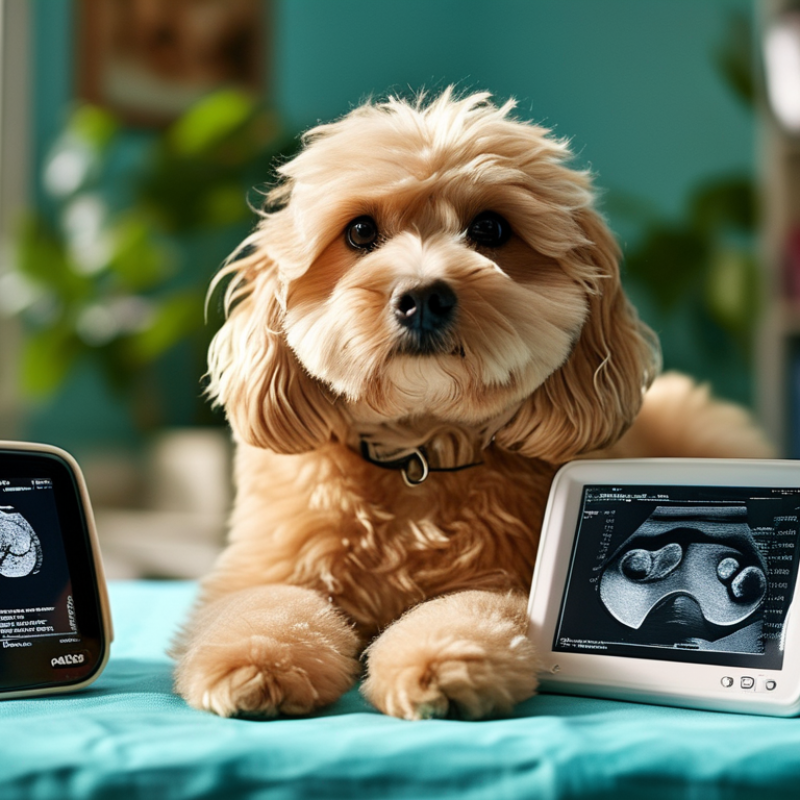
Ultrasound machines are gaining attention in veterinary medicine. They are pivotal for diagnosing health issues in dogs. Ultrasound is non-invasive and provides real-time images of internal organs. This helps veterinarians detect problems early, allowing for timely treatment.
Many pet owners may wonder how ultrasound aids in diagnosing conditions. For instance, it can identify tumors, evaluate heart conditions, and assess pregnancy. Unlike X-rays, ultrasound doesn’t use radiation, making it safer for dogs. Additionally, it reveals details like blood flow, which enhances diagnostic accuracy.
To maximize the benefits of ultrasound, regular check-ups are vital. Early detection often leads to better outcomes. Pet owners should inquire about ultrasound options when visiting their vets. Understanding the process can help reduce anxiety for both pets and owners. Be proactive in your dog’s health care to ensure a happy life.
Ultrasound technology is revolutionizing canine veterinary medicine. It provides a non-invasive method to examine dogs' internal organs. The American Veterinary Medical Association reports that ultrasound enhances diagnosis in various conditions, such as heart disease and pregnancy complications. This technology allows veterinarians to visualize soft tissues with clarity. It is particularly effective for imaging the abdomen.
During an ultrasound, high-frequency sound waves create images. These waves travel through the body and reflect off tissues. The resulting images help veterinarians make informed decisions. According to studies, over 70% of veterinary practices in the U.S. now use ultrasound as part of their diagnostic toolkit. This reflects a growing confidence in the technology's reliability.
Despite its advantages, limitations exist. Ultrasound requires skilled operators to interpret the images correctly. Misinterpretation can lead to misdiagnosis. Additionally, some dog breeds may present challenges in obtaining clear images. Nonetheless, ultrasound remains a vital tool in early detection and treatment options for canine health issues. Its role in veterinary medicine continues to evolve as technology advances.
Ultrasound technology plays a crucial role in diagnosing health issues in dogs. This non-invasive imaging method helps veterinarians safely visualize internal organs. Common conditions found through ultrasound include heart disease, liver disorders, and gastrointestinal issues. According to a study by the American Veterinary Medical Association, around 10% of dogs over seven years old exhibit signs of heart disease, which can be effectively monitored with ultrasound.
In addition, ultrasound can reveal tumors or cysts early. Early detection improves treatment success rates significantly. The Veterinary Imaging Society highlights that imaging can identify kidney problems in up to 25% of senior dogs. Often, conditions like pancreatitis go unnoticed until later stages. Ultrasound aids in detecting these issues before they advance.
Veterinarians increasingly rely on ultrasound for its accuracy and ease. Studies indicate it aids in pinpointing issues more than 80% of the time. However, this technology is not without challenges. Limited access to ultrasound facilities can delay diagnoses. Furthermore, interpreting ultrasound images requires significant expertise. Ensuring trained personnel operate the equipment is essential for reliable results.
Ultrasound is a vital tool in veterinary diagnostics. While methods like X-rays and blood tests are common, they have limitations. X-rays show bone structure well, but soft tissues can remain hidden. Blood tests provide data, but they can't visualize organs directly. Here, ultrasound shines by offering real-time images. It helps detect issues with the heart, liver, and kidneys in dogs.
Veterinary ultrasound is non-invasive. This means it usually does not require sedation. The procedure is quick and generally painless. A trained technician uses a gel and probe to capture images. Some dog owners may feel uneasy about this technology. They may worry about accuracy or effectiveness. It’s essential to know that ultrasound has a high success rate in detecting many conditions early. Early detection leads to better outcomes.
Veterinarians often recommend combining methods for the best results. Blood tests may identify abnormal levels, while ultrasound visualizes underlying issues. Collaboration between these methods enhances diagnostic accuracy, making treatment more effective. There's always room for improvement in veterinary practices, but ultrasound remains a reliable choice for detailed organ assessment in dogs.
Ultrasound technology plays a vital role in preventive healthcare for dogs. It allows veterinarians to detect health issues early and accurately. According to a study published in the Journal of Veterinary Internal Medicine, early diagnosis can lead to a 70% increase in successful treatment outcomes. This is crucial for diseases like heart conditions and tumors, where prognosis improves significantly with timely intervention.
Many pet owners are unaware of the non-invasive nature of ultrasound. It provides real-time imaging, allowing vets to visualize organs without surgery. This technique reveals problems like fluid buildup, organ enlargement, or abnormal masses. The American Veterinary Medical Association emphasizes that regular ultrasound check-ups can address hidden concerns before they escalate.
However, accessing ultrasound services may be limited in certain areas. Not all clinics have the equipment or trained personnel. This gap means some dogs miss out on vital care. As a pet owner, it's essential to seek out facilities that offer these diagnostics. It's not just about treatment; it’s about being proactive. Preventive measures contribute to longer, healthier lives for our canine companions.
: Ultrasound machines help diagnose health issues early and non-invasively. They offer real-time images of internal organs.
It identifies tumors, evaluates heart conditions, and assesses pregnancy. Ultrasound avoids radiation while providing essential details.
Regular check-ups allow for early detection of health issues, leading to better treatment outcomes for your pet.
Skilled operators are needed for interpreting images. Misinterpretation can occur, potentially leading to misdiagnosis.
Ultrasound detects hidden issues early, allowing for timely intervention. This can significantly improve treatment success rates.
Not all veterinary clinics have ultrasound equipment or trained staff. This limits access for some pet owners and their dogs.
Inquire about ultrasound options during check-ups to address potential health concerns proactively.
While effective, ultrasound may miss some problems or face challenges depending on the dog’s breed or condition.
Unlike X-rays, ultrasound doesn’t use radiation. It provides clearer images of soft tissues and reveals blood flow details.
Early detection through ultrasound can increase successful treatment outcomes by 70%, especially for severe health conditions.
Ultrasound machines for dogs play a crucial role in enhancing canine health diagnostics. They offer numerous benefits, such as non-invasive examination, real-time imaging, and the ability to detect various health issues early. This technology works by emitting sound waves that produce detailed internal images, allowing veterinarians to identify conditions like tumors, heart problems, and organ abnormalities.
Moreover, ultrasound is an effective diagnostic tool that often outperforms other methods like X-rays or blood tests due to its detailed visualization capabilities. Its use in preventive healthcare allows for early intervention, ensuring dogs maintain optimal health and wellbeing. By integrating ultrasound machines for dogs into veterinary practice, pet owners can be more proactive in managing their pets' health.

EACENIC SCIENCE & TECHNOLOGY